Home › Best time to visit Osaka
Osaka · When to go
Best time to visit Osaka: an honest guide
KBy Kai Sato · a 28-year Osaka local
Last updated July 2026 · Cherry-blossom and autumn-leaf dates shift a little each year — treat the windows below as guides and check the current-year forecast closer to your trip.
The honest answer most sites won't give you: the "best" time depends on what you'll trade. Spring and autumn have the best weather and the famous scenery — and the biggest crowds and prices. If you want the cherry blossoms or the red maples, you go when everyone else does. If you want a comfortable, cheaper, quieter trip, there are smarter windows. Here's how a local actually thinks about it.
My pick is late October to November — comfortable weather, autumn colour, and fewer crowds than cherry-blossom season. If you're set on cherry blossoms, aim for late March to early April (and book early). Skip mid-June to mid-July (rainy season) and August (hot, very humid) unless you don't mind it.
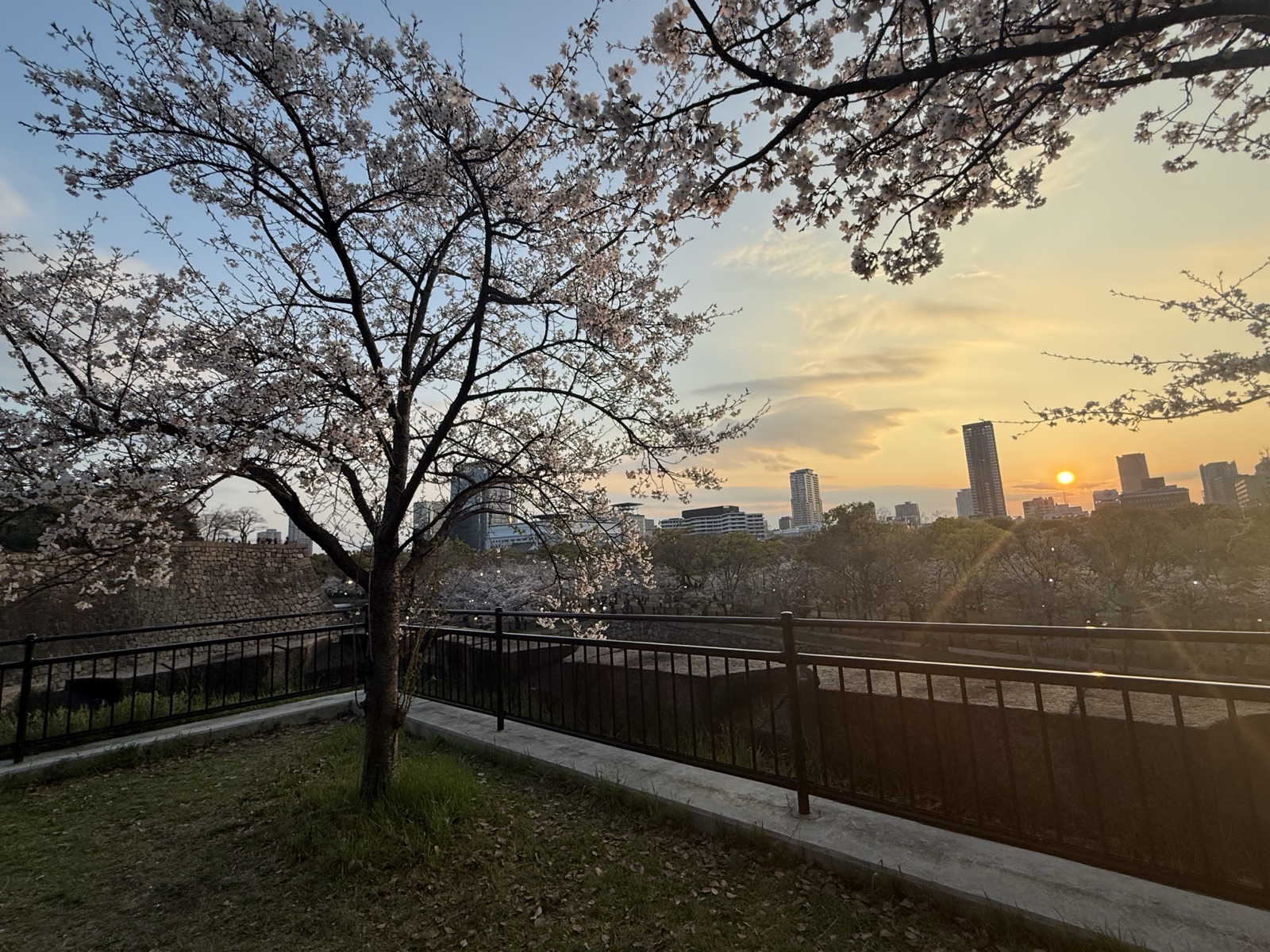
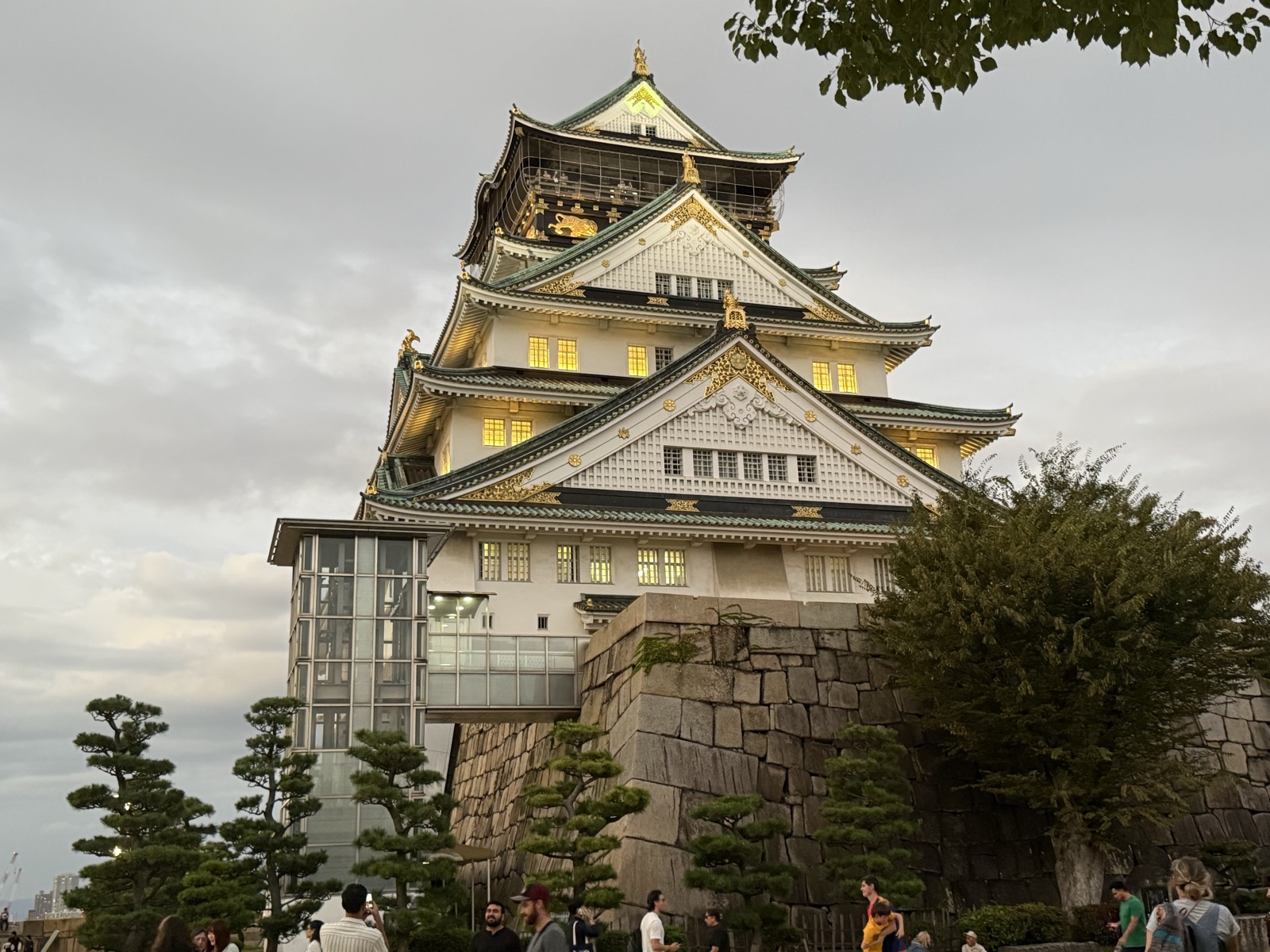
The postcard season. Cherry blossoms usually peak from late March into the first week of April and last only about a week, so timing is luck — Osaka Castle Park and the river are spectacular then. Weather is mild and lovely. The catch: it's the busiest, priciest time, and Golden Week (late April to early May) brings a domestic-travel crush — book well ahead or avoid those exact dates.
The rainy season (tsuyu) runs roughly early June to mid-July — not constant rain, but humid and unpredictable. Then July and August turn hot and very humid (regularly 33–35°C / low-to-mid 90s°F). It's festival season — the huge Tenjin Matsuri is in late July — but sightseeing is sweaty work, and Obon (mid-August) brings crowds and some closures. Come prepared, or come another time.
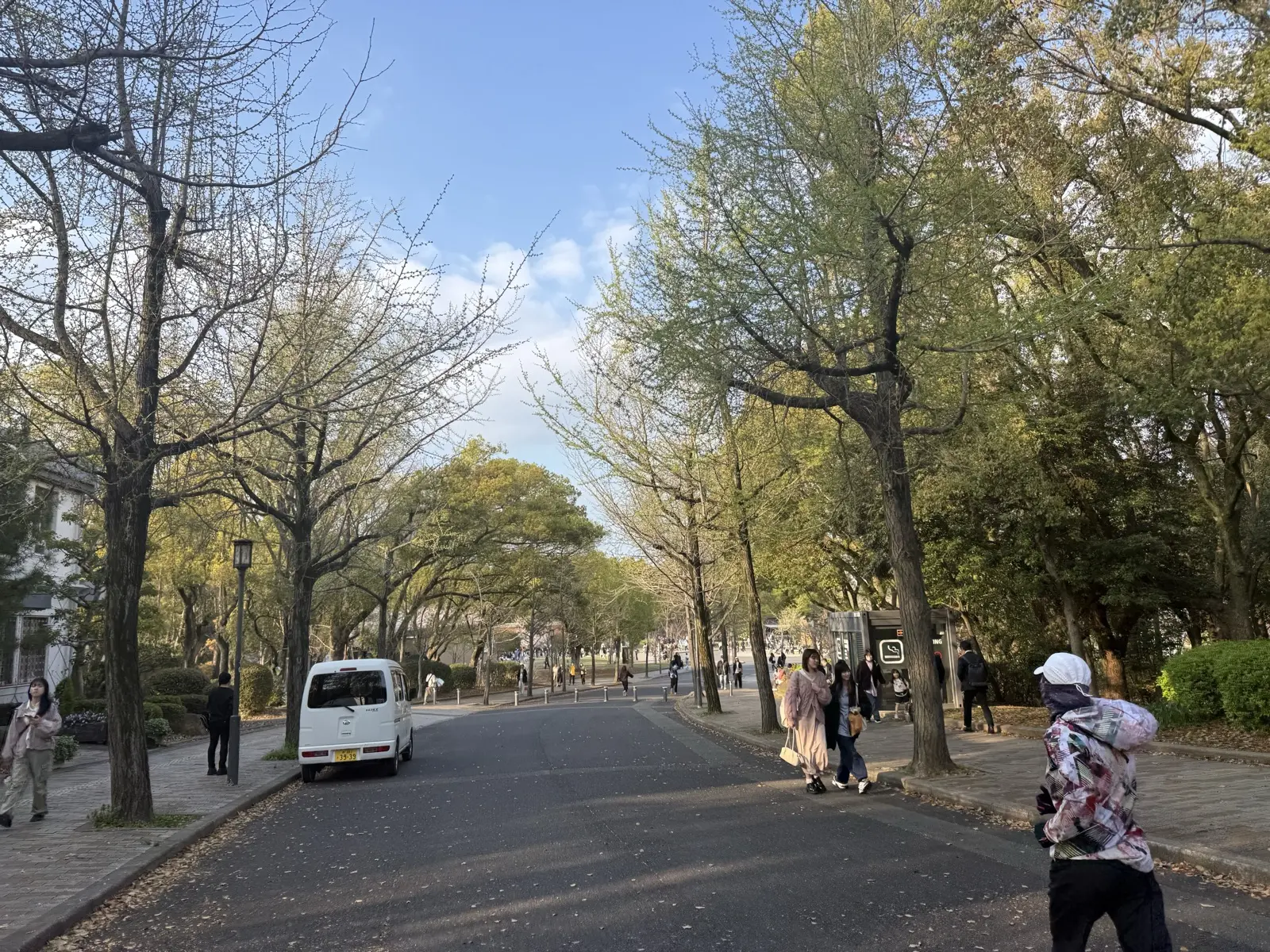
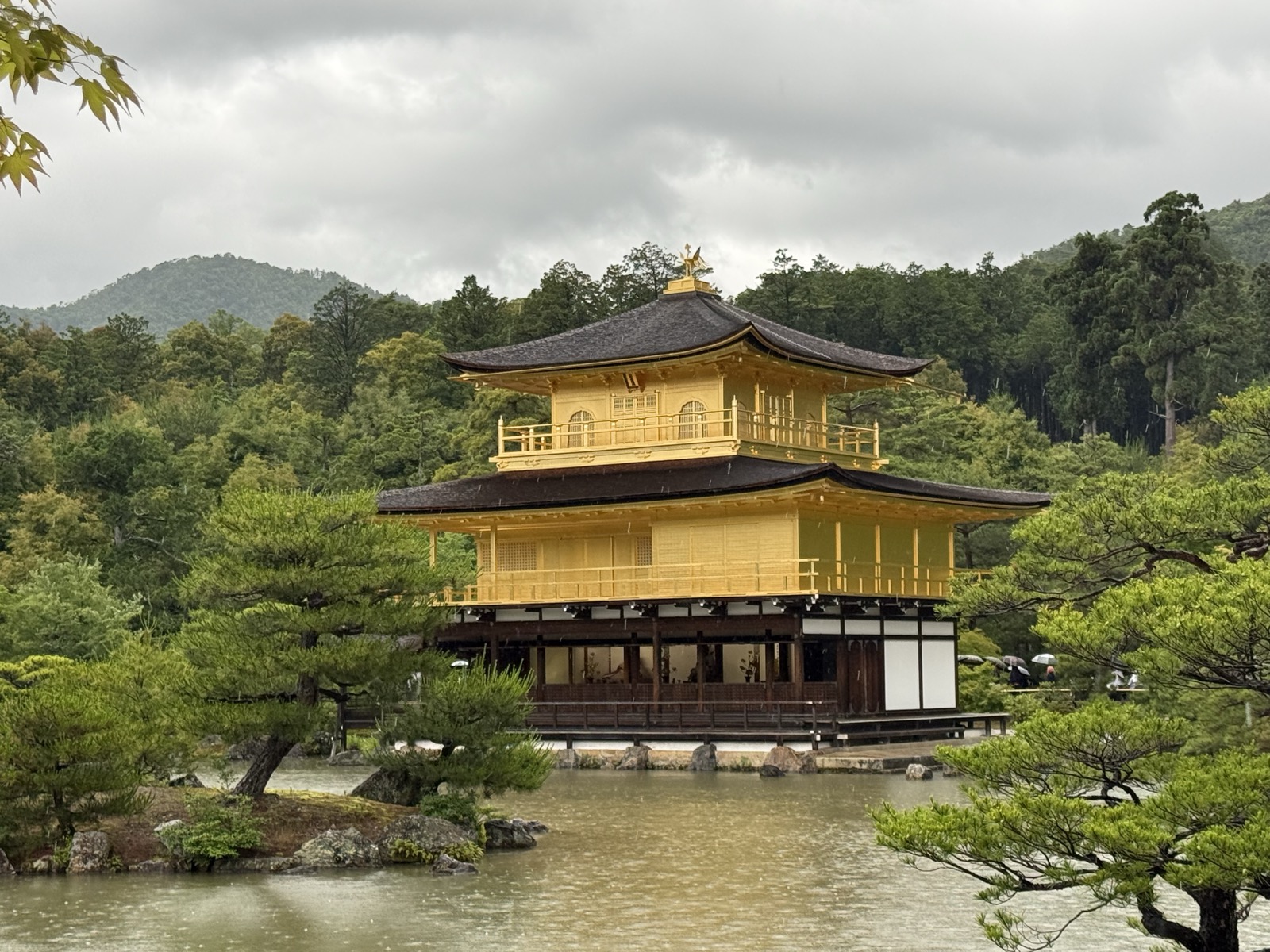
My favourite. September can still be warm with a typhoon risk, but October and November are close to perfect — clear, comfortable, and less mobbed than spring. Autumn leaves peak from mid-to-late November, sometimes into early December, and they're stunning on a Kyoto day trip. Great weather, great colour, saner crowds: this is the time to come.
Underrated. Osaka winters are cool but mild (it rarely snows in the city), dry, and clear. Crowds are low, hotels are cheaper, and there are winter illuminations. Just avoid the New Year holiday (roughly Dec 29–Jan 3), when many shops and attractions close. If you want a calm, budget-friendly trip and don't need blossoms, winter is a quiet win.
| Month | Rating | What to expect |
|---|---|---|
| January | OK | Cold, dry, quiet, cheap. Skip Jan 1–3 closures. |
| February | OK | Cold but clear; plum blossoms late month; low crowds. |
| March | Great | Warming up; cherry blossoms usually from late March. |
| April | Great | Peak blossoms early April; busy. Golden Week looms late. |
| May | Great | Warm, pleasant, green. Avoid Golden Week (early May). |
| June | Tough | Rainy season begins; humid and unpredictable. |
| July | Tough | Rain eases mid-month, then hot; Tenjin Matsuri late July. |
| August | Tough | Hot and very humid; Obon crowds mid-August. |
| September | OK | Still warm, typhoon risk, but thinning crowds. |
| October | Great | Comfortable, clear — one of the best months. |
| November | Great | Cool, gorgeous autumn leaves mid–late month. |
| December | OK | Early-month leaves, illuminations; skip New Year closures. |
Three windows to avoid if you can: the rainy season (mid-June to mid-July); peak summer (August) for the heat and humidity; and the two big domestic-holiday crushes — Golden Week (late April–early May) and Obon (mid-August) — when trains, hotels and prices all spike. None are dealbreakers if the dates are fixed for you, but if you're flexible, shifting a week or two makes a real difference.
If you want the icons and don't mind crowds: late March–early April for cherry blossoms. If you want the best all-round trip: late October–November. If you want quiet and cheap: winter (minus New Year). Whenever you land, Osaka's food and its easy day trips to Kyoto work year-round — start with our 3-day itinerary and things to do in Osaka.
The honest answer is that when you go to Osaka affects your trip far more through crowds and prices than through weather alone. The two peaks that drive both up are the cherry-blossom window (late March to early April) and the autumn foliage window (mid-to-late November). Booking three to four months ahead for those windows is normal; leaving it to the last month often means either no availability in central wards (Namba, Umeda, Shinsaibashi) or paying a steep premium.
Universal Studios Japan is a useful bellwether for city-wide crowding because it swings hard with the Japanese school and holiday calendar. Independent crowd-calendar trackers rate March as the single busiest month at USJ, while January and February weekdays (outside the New Year holiday) run the calmest, followed by the June rainy season. Tuesdays and Wednesdays are typically the quietest days of the week; Saturdays and Mondays the busiest.
If your priority is short queues and lower room rates rather than blossoms, the shoulder periods most visitors overlook are early-to-mid June (before school holidays, light theme-park crowds) and the first half of December (illuminations are up but crowds stay manageable until the year-end rush from around December 20).
Typhoons are the most-searched worry for anyone eyeing a late-summer or early-autumn visit. The season runs roughly May to October, and August and September are the peak. August produces the most storms by count, but September is when more of them actually steer toward mainland Japan, and the autumn rain front can amplify the rainfall a storm brings.
The reassuring part: Osaka sits inland from the most exposed coasts, and Kansai city trips (Osaka, Kyoto, Nara) are generally less disrupted than Okinawa, Kyushu, or Pacific-coast destinations. Most itineraries built around Osaka finish on schedule even in September. What a passing typhoon does mean is one or two lost days: trains and flights suspend pre-emptively, theme parks may close, and outdoor plans get washed out. It is worth it if you build in schedule slack and keep indoor backups (aquarium, Umeda department stores, museums); skip September only if you have zero flexibility to lose a day or a tight connecting flight.
Practical hedge: buy travel insurance that covers weather delays, and if a named storm is forecast, check the JR West and airline notices a day or two ahead rather than assuming a fixed plan.
The article already flags avoiding high summer, but the specific reason deserves detail: Osaka's problem in July and August is heat combined with humidity, not just showers. August highs commonly reach into the low-to-mid 30s Celsius (around 33°C / 92°F), and the humidity makes it feel worse and slows sightseeing to a crawl. Heatstroke is a genuine risk for visitors trying to keep a spring-paced walking schedule.
That said, summer has one thing worth timing a trip around: Tenjin Matsuri, one of Japan's three great festivals, held every year on July 24–25. The main day (July 25) features a land procession, a river flotilla of roughly 100 lantern-lit boats on the Okawa River in the evening, and a dedication fireworks finale of about 5,000 shells from around 19:30 to 21:00. Watching from the riverbanks is free; paid reserved seats run roughly ¥3,000 to ¥31,000. If you come in July, plan indoor or early-morning sightseeing and treat the festival evening as the day's centrepiece rather than fighting the midday sun.
Locals and repeat visitors tend to rate December through February as Osaka's best-value season. Winters here are milder than northern Japan — January is the coldest month with lows around freezing and daytime highs often above 5–7°C — and the city rarely gets meaningful snow, so sightseeing stays comfortable with a coat.
The seasonal draw is the illumination season. The Midosuji Illumination lights nearly the entire three-kilometre length of Midosuji Street between Umeda and Namba, one of the world's longest illuminated streets. The broader Osaka Festival of the Lights runs roughly early November to late January, and the concentrated Osaka Hikari Renaissance at Nakanoshima Park typically runs mid-December (around December 14–25) in the early evening. Dates shift slightly year to year, so confirm the current schedule before booking.
The honest trade-off: fewer big festivals and short daylight hours. But rooms are cheaper, queues are shorter, and the light and the winter air suit photography — a strong pick for anyone who cares more about atmosphere and value than about cherry blossoms.
Your arrival mode depends on where you're staying. For the Namba/south side, the Nankai Rapi:t limited express reaches Namba in about 35–40 minutes (around ¥1,520 e-ticket, seat reservation required); the slower Nankai Airport Express does the same run in 45–50 minutes for about ¥970 with no reservation. For the Umeda/Shin-Osaka side or a Kyoto onward leg, the JR Haruka is the direct option, and the tourist-only Haruka one-way discount ticket is priced around ¥1,800 to the Osaka/Shin-Osaka area (¥1,300 to Tennoji). Confirm current fares at time of travel.
The one-day Osaka Amazing Pass (¥3,500) bundles unlimited Osaka Metro, city bus and some private-railway travel within the city with free entry to roughly 40 attractions — Osaka Castle, Tsutenkaku, the HEP Five Ferris wheel and the Santa Maria cruise among them. Two important 2026 changes: it is now fully digital (the two-day physical card was discontinued), and for some attractions like the Umeda Sky Building free entry applies only until 15:00, after which you get a discount rather than free admission. The pass pays off on a packed, attraction-heavy day but is poor value on a slow-paced or food-focused day — do the math against your actual plan.
| Question | Short answer |
|---|---|
| When exactly will the cherry blossoms peak in 2026? | Forecasts put full bloom at Osaka Castle Park and Kema Sakuranomiya Park around March 31 to early April 2026, with good viewing continuing about a week after — barring wind or rain. Blossom timing shifts yearly with the weather, so treat any date as a moving target and check updated forecasts close to travel. |
| Is it worth visiting during typhoon season? | Yes for most people, with caveats. Osaka is relatively sheltered and city trips usually run on schedule, but build in a spare day and indoor backups for August–September. |
| What's the cheapest time to visit? | January–February (outside New Year) and early-to-mid June generally have the lowest room rates and shortest queues. |
| Best time specifically for Universal Studios Japan? | January and February weekdays are calmest; Tuesdays and Wednesdays beat weekends. Avoid March, Golden Week, Obon (mid-August) and the year-end. |
| Does Osaka get snow? | Rarely and lightly. Winters are mild for Japan; a warm coat is enough and sightseeing stays comfortable. |
| Any festival worth building a trip around? | Tenjin Matsuri (July 24–25) for summer; the Midosuji Illumination and Festival of the Lights (roughly November–January) for winter. |
October and November are the best all-round — comfortable weather, autumn colour, and fewer crowds than spring. For cherry blossoms, aim for late March to early April.
Usually late March into the first week of April, peaking for about a week. Exact dates shift yearly, so check the current-year forecast before booking.
Autumn colour typically peaks from mid-to-late November, sometimes into early December — especially beautiful on a Kyoto day trip.
The rainy season (mid-June to mid-July) and peak summer (August, hot and humid). Also brace for crowds during Golden Week (late April–early May) and Obon (mid-August).
Yes, if you want low crowds and cheaper hotels — winters are cool but mild and dry. Just avoid the New Year holiday (about Dec 29–Jan 3) when many places close.