Home › Osaka to Kyoto day trip
Kyoto · from Osaka
Osaka to Kyoto day trip: a local's honest guide
KBy Kai Sato · a 28-year Osaka local
Times & fares last verified July 2026 — they can change, so tell us if you spot a difference.
Here's a thing a lot of first-timers don't realise: Kyoto is only about 30 minutes from Osaka. You do not need to move hotels — plenty of people (locals included) base themselves in Osaka, where it's cheaper and livelier at night, and day-trip to Kyoto for the temples. Here's how to do it well: the fastest way over, which train to take for which sights, and an honest plan for the day.
Take the JR Special Rapid from Osaka Station to Kyoto Station — about 30 minutes, ~¥580. Get an ICOCA card so you can tap through the buses in Kyoto. Start early, pick two or three sights (not ten), and leave time to just sit by the river. Kyoto rewards a slower day.
There are three train lines, and which one you want depends on where you're headed:
Osaka Station → Kyoto Station, ~30 min by Special Rapid (Shin-Kaisoku), about ¥580. Best all-rounder and the gateway to buses for Kinkaku-ji, Ginkaku-ji and northern sights.
From Yodoyabashi/Kyobashi to eastern Kyoto — Fushimi-Inari, Gion-Shijo (for Kiyomizu & Gion) and Demachiyanagi (for Shimogamo). Great for skipping Kyoto Station and its bus crowds.
From Osaka-Umeda to Kyoto-Kawaramachi (~45 min), handy for downtown Kyoto and transfers toward Arashiyama.
If you would rather not juggle trains and buses, a guided full-day tour covers Kyoto's big sights and Nara's deer park from Osaka in one go — a good shout if you only have one day.
Check prices & times on Klook →Don't try to "do Kyoto" in a day — you can't, and rushing it ruins it. Pick a lane:
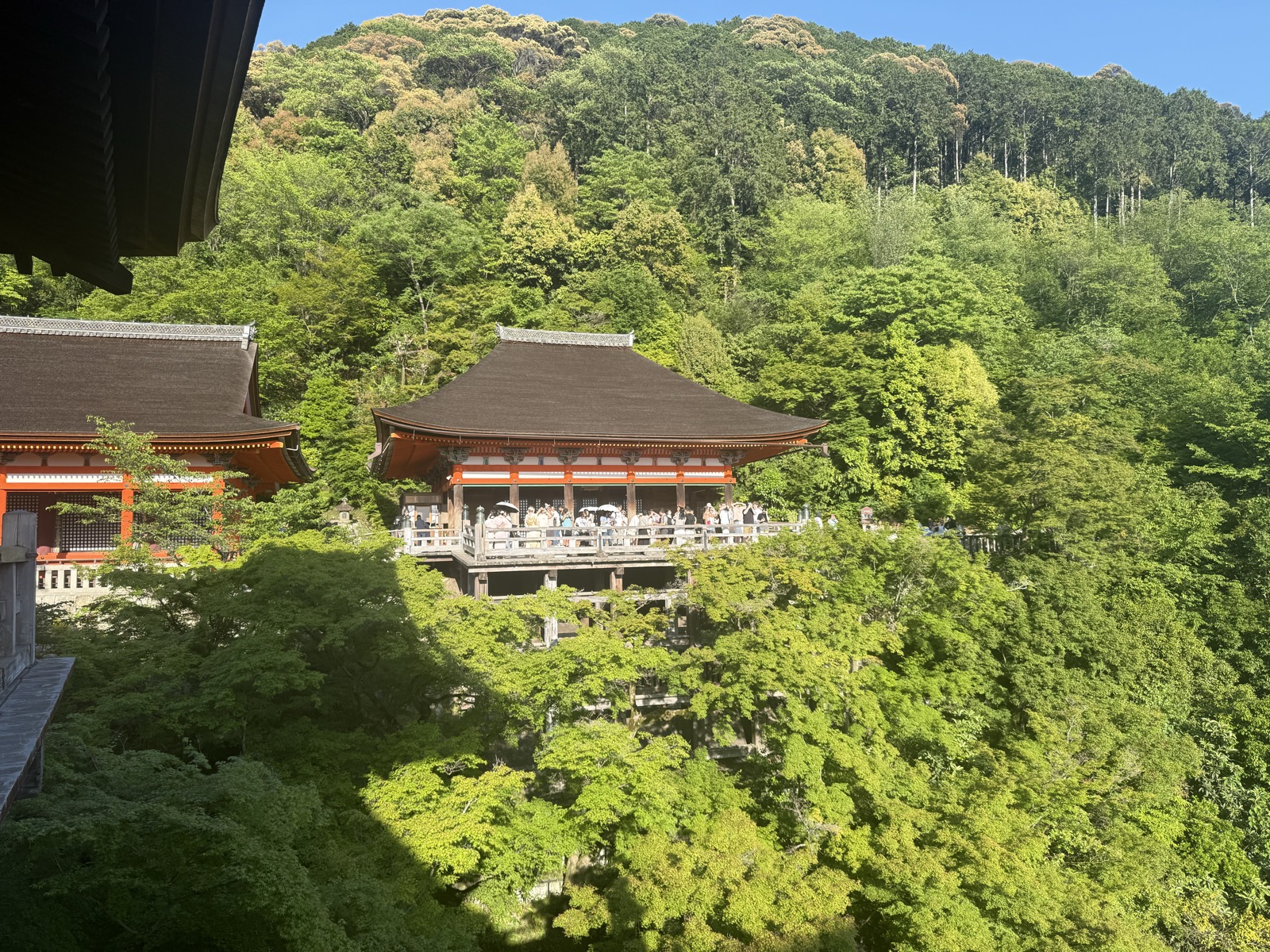
Start at Kiyomizu-dera right at its 6:00 opening to beat the crowds, then wander down Sannenzaka.
Fushimi Inari's endless red torii gates (free, and quieter earlier) — a short Keihan/JR hop south.
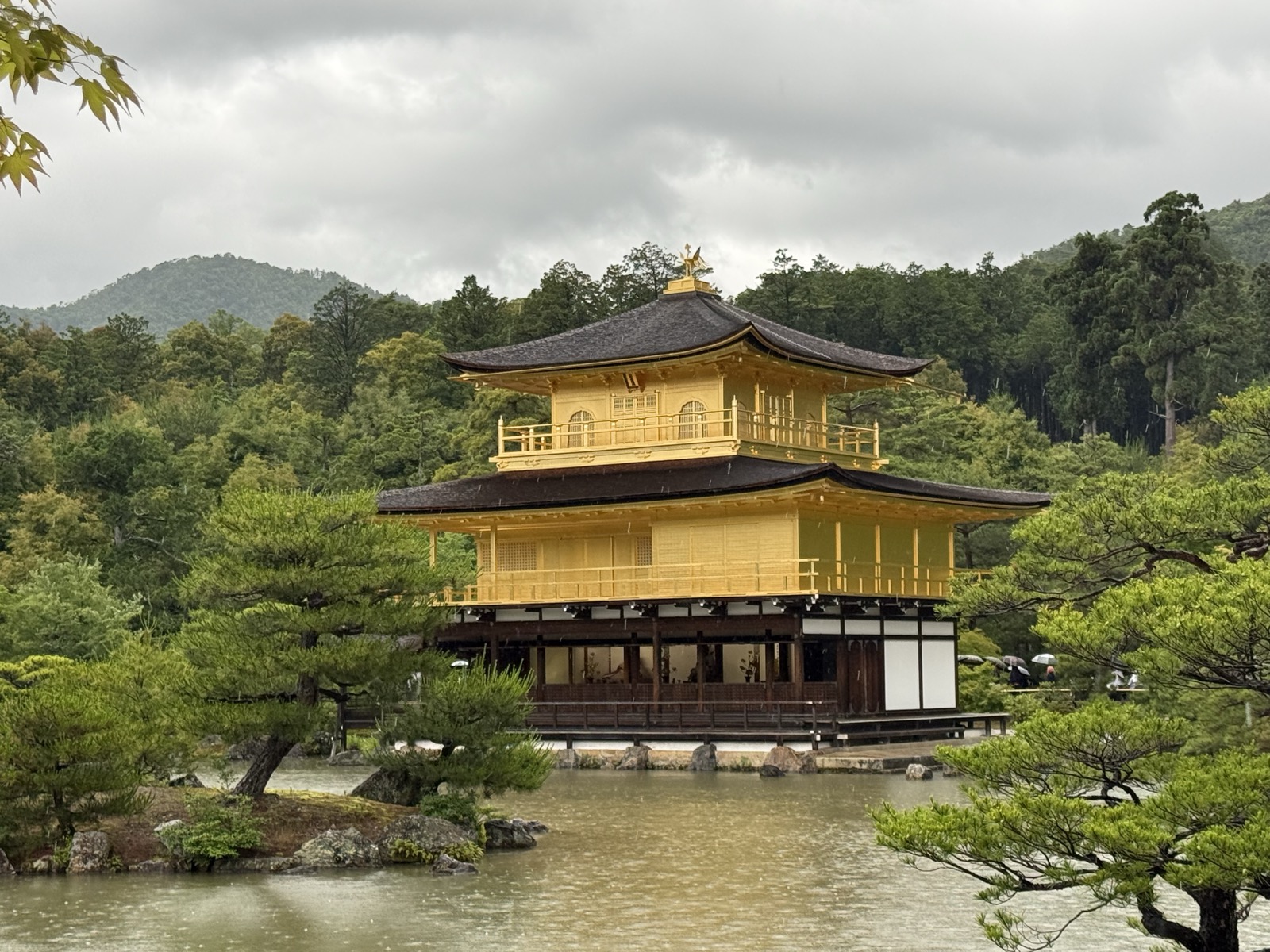
Cross town to Kinkaku-ji, the Golden Pavilion — a quick, dazzling stop.
Head back toward the river, or return to Osaka to eat. You've seen the icons without sprinting.
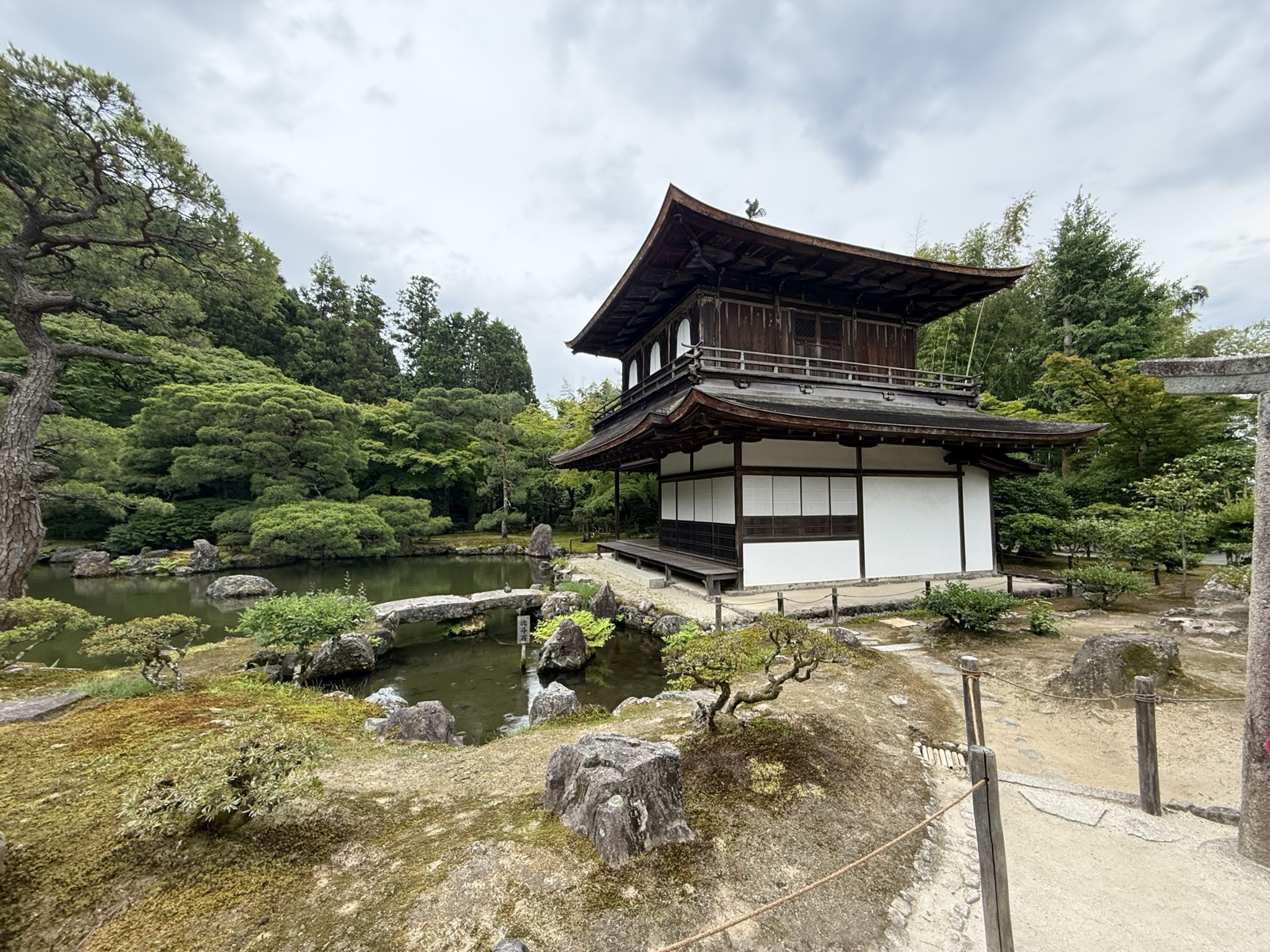
Ginkaku-ji (the Silver Pavilion) and a walk down the Philosopher's Path.
Shimogamo Shrine and its ancient forest — free, calm, and full of small rituals.
Sit by the Kamo river (see below), then drift back to Osaka.
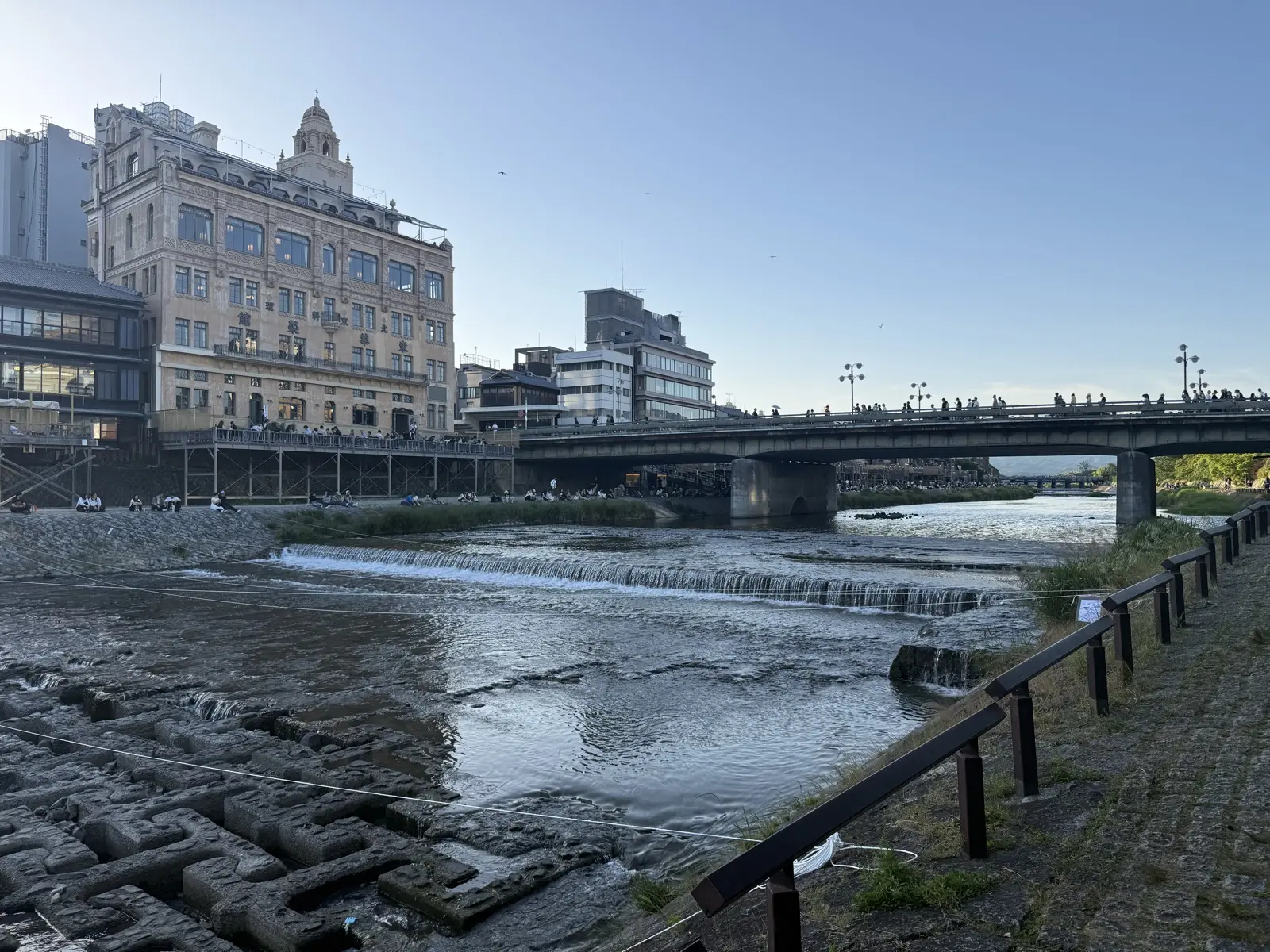
Near Demachiyanagi and along the whole downtown stretch, the Kamo-gawa is where Kyoto actually relaxes — people sit on the grassy banks, hop the stepping-stones and do nothing in particular. Grab a coffee or a snack and join them; it's free and genuinely one of the nicest, most local things you can do in Kyoto. Watch the couples along the water, too: there's a famous local phenomenon where pairs space themselves out at almost perfectly even intervals — we half-jokingly call it the "Kamogawa equidistant law."
Get an ICOCA card — Kyoto's big temples (Kinkaku-ji, Ginkaku-ji) have no train station and need buses, and tapping beats fumbling for tickets. Go early: Kiyomizu and Fushimi Inari are transformed at 6–8am and miserable at midday. And genuinely, pick two or three sights. The temptation is to cram, but half the pleasure of Kyoto is the walking between things and a slow hour by the river. You can always come back — you're only 30 minutes away.
The article covers the JR route, but the honest answer is that JR is not always the smartest choice for a day trip — it depends on which part of Kyoto you want. Keihan and Hankyu are both private railways that are usually cheaper than JR and, more importantly, drop you closer to specific sightseeing areas so you skip a bus or subway transfer at Kyoto Station.
| Line | One-way fare | Best for | Key stations |
|---|---|---|---|
| JR Special Rapid | ~560–580 yen | Kyoto Station area, Fushimi Inari (JR Nara Line), onward Shinkansen | Kyoto Station |
| Keihan | ~400–580 yen | Gion, Higashiyama, Kiyomizu-dera side | Gion-Shijo, Sanjo, Fushimi Inari |
| Hankyu | ~410 yen to Kawaramachi | Downtown (Nishiki, Pontocho), Arashiyama (change at Katsura) | Kyoto-Kawaramachi, Katsura |
A practical rule: heading for Gion and the Higashiyama temples, take Keihan to Gion-Shijo. Heading downtown or to Arashiyama, take Hankyu. Only going to sights right at Kyoto Station or straight up the Nara Line to Fushimi Inari? JR wins. Note that Keihan and Hankyu run from their own Osaka terminals (Yodoyabashi/Kyobashi and Osaka-Umeda respectively), not from JR Osaka Station.
Most first-timers try to string together two or three famous sights. The catch is that their hours and rules differ, and a wasted trip across the city is the most common day-trip mistake. Current figures:
| Site | Hours | Adult admission |
|---|---|---|
| Fushimi Inari Taisha | Open 24h, free; shops/staff 9:00–17:00 | Free |
| Kiyomizu-dera | 6:00–18:00 (to 18:30 Jul–Aug) | 500 yen (cash) |
| Kinkaku-ji (Golden Pavilion) | 9:00–17:00 | 500 yen (cash) |
Two things to plan around. First, Fushimi Inari is the only one of these open early and late — it is the ideal 7:00 a.m. or dusk stop, while the paid temples don't open until 9:00. Second, bring yen in cash; Kinkaku-ji and Kiyomizu-dera collect admission at a physical gate and card payment is not reliable. Kiyomizu-dera also runs special night viewings in 2026 (roughly Mar 27–Apr 5, Aug 14–16, Nov 21–30, open until 21:30, last entry 21:00) — worth checking dates before you commit an evening.
An out-of-date but still widely repeated tip is to buy the cheap 700-yen bus-only day pass. That pass was discontinued (sales ended in fall 2023) to fight overtourism and long bus queues that were hurting locals. It no longer exists.
The current option is the Subway & Bus One-Day Pass at 1,100 yen, valid on Kyoto city subway and city bus lines plus most Kyoto Bus and Keihan Bus routes. For a single day trip, do the math honestly: a few individual rides often cost less than 1,100 yen, so the pass only pays off if you're crossing the city several times (e.g. Fushimi Inari → Kinkaku-ji → Gion). Kyoto's buses are notoriously slow and packed near the big temples; locals and repeat visitors increasingly lean on the subway where possible and treat buses as a last resort during peak season. A simpler alternative for most day-trippers is to just tap an ICOCA IC card and pay per ride.
Kyoto's headline sights are victims of their own fame, and the difference between a magical visit and a shoulder-to-shoulder shuffle is almost entirely about what time you show up.
Because these sights peak at different points, an early Fushimi Inari start followed by a mid-morning move elsewhere is the single most effective crowd-avoidance tactic on a day trip from Osaka.
Kyoto Station coin lockers are a real bottleneck. Large lockers frequently fill by mid-morning on peak weekends and in cherry-blossom/autumn seasons. Small/medium/large lockers on the Hachijo side run about 400/500/700 yen and most accept ICOCA and other IC cards. If you're carrying a suitcase, either arrive before 10:00, reserve via the ecbo cloak app, or use staffed storage like Crosta Kyoto (B1, beneath the JR Central Gate).
For a quick eat-as-you-go lunch, Nishiki Market (stalls ~9:00–17:00, many closed Wednesdays) is a 10-minute subway ride to Shijo plus a short walk. Note the market bans eating while walking — use the designated eat-in spots. Try dashimaki tamago, tako-tamago (octopus with quail egg), fresh yuba and soy-milk doughnuts.
Major stations and railways generally have elevators and wide gates, so a stroller is fine for getting around. But the full Fushimi Inari trail is impossible with a stroller — thousands of uneven steps; the flat lower shrine and the start of the torii (a 30–40 minute "short course") work well. Arashiyama Monkey Park is a 20-minute uphill climb, mostly stairs, and strollers are not allowed — bring a baby carrier. The Arashiyama Bamboo Grove itself is stroller-friendly.
Usually no. For urban hops around Osaka–Kyoto–Kobe–Nara the passes rarely pay off; they only make sense if you're also reaching outlying places like Himeji or Hikone. A single 560–580 yen JR fare, or a cheaper Keihan/Hankyu ticket, beats a pass for a Kyoto day trip.
No. JR Special Rapid, Keihan and Hankyu trains between Osaka and Kyoto are frequent commuter services with no reservations — just tap your ICOCA. Reservations only matter for the limited-express Haruka or the Shinkansen, neither of which you need for this route.
Realistically you pick a cluster, not the whole city. A common honest plan is Fushimi Inari at opening, then Gion/Higashiyama and Kiyomizu-dera. Trying to add Kinkaku-ji and Arashiyama the same day means most of your day is spent on slow buses.
Fushimi Inari and most shrine grounds are free. Paid temples (Kiyomizu-dera, Kinkaku-ji) charge 500 yen each, cash only at the gate.
About 30 minutes on the JR Special Rapid from Osaka Station to Kyoto Station (~¥580). Keihan and Hankyu are alternatives that land you in eastern or downtown Kyoto.
Yes — it's only ~30 minutes away, so many travellers base in Osaka (cheaper and livelier at night) and day-trip to Kyoto for the temples.
For a short trip, base in Osaka and day-trip to Kyoto: Osaka is cheaper, has better food and nightlife, and Kyoto is only half an hour away.
Pick two or three, not ten. A classic first day: Kiyomizu-dera at opening, Fushimi Inari, then Kinkaku-ji. A calmer day: Ginkaku-ji, Shimogamo Shrine, and time by the Kamo river.
No — a single JR ticket or ICOCA tap (~¥580 each way) is all you need. A JR Pass only pays off for lots of long-distance shinkansen travel.