Home › Osaka in 3 days
Osaka · Itinerary
Osaka in 3 days: a local's honest itinerary
KBy Kai Sato · a 28-year Osaka local
Three days is the sweet spot for Osaka: enough to see the icons, eat properly, and still take a day trip — without the rushed, checklist feeling. This is a plan built for a first-timer: honest picks, the tourist traps to skip, and links to detailed guides for each stop. Adjust it to your pace; nothing here is compulsory.
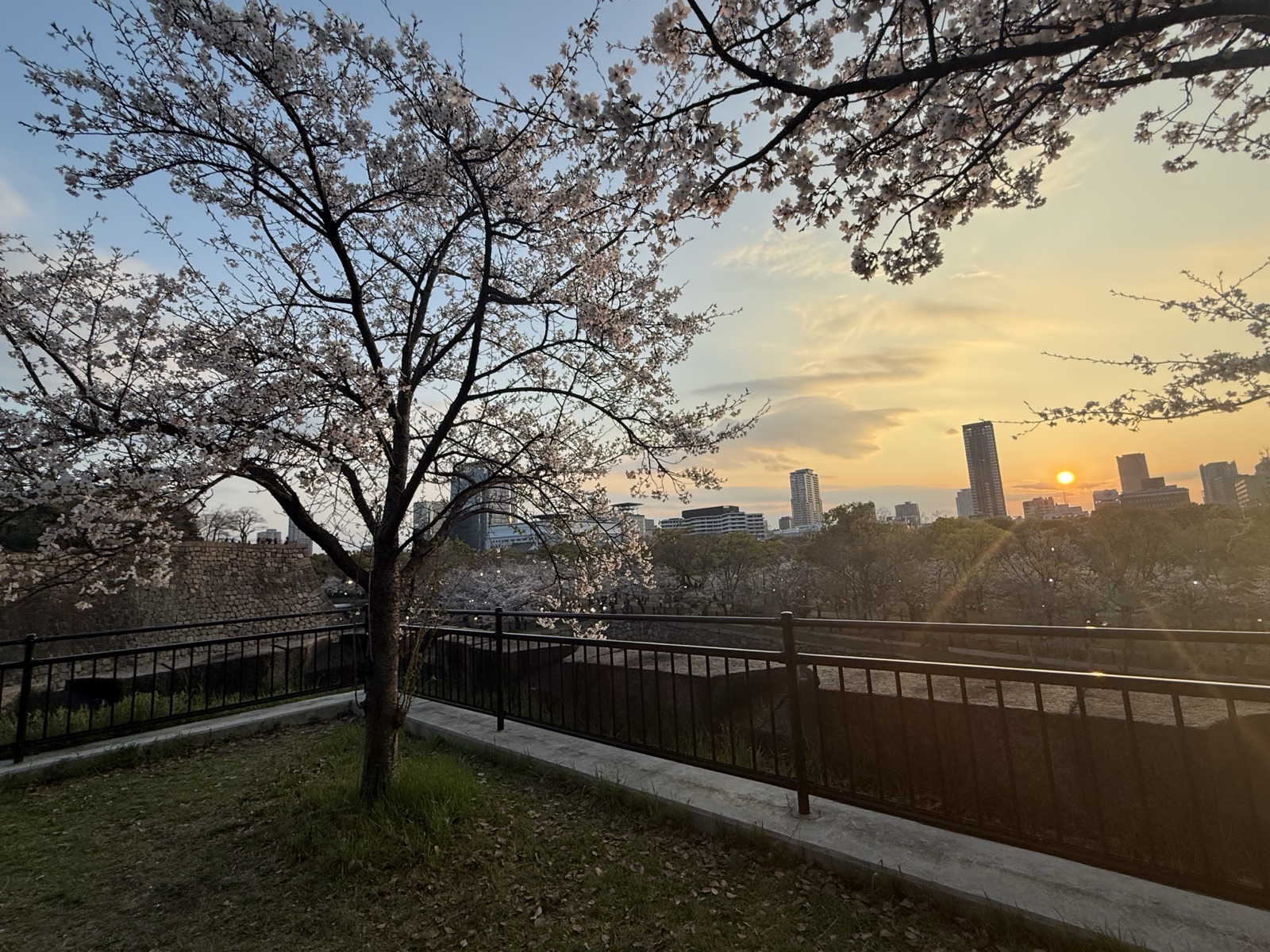
Start at Osaka Castle — go early to beat the crowds and the elevator queue. Walk the park and moat even if you skip going up the tower (our honest take on whether it's worth the ¥1,200 is in the guide).
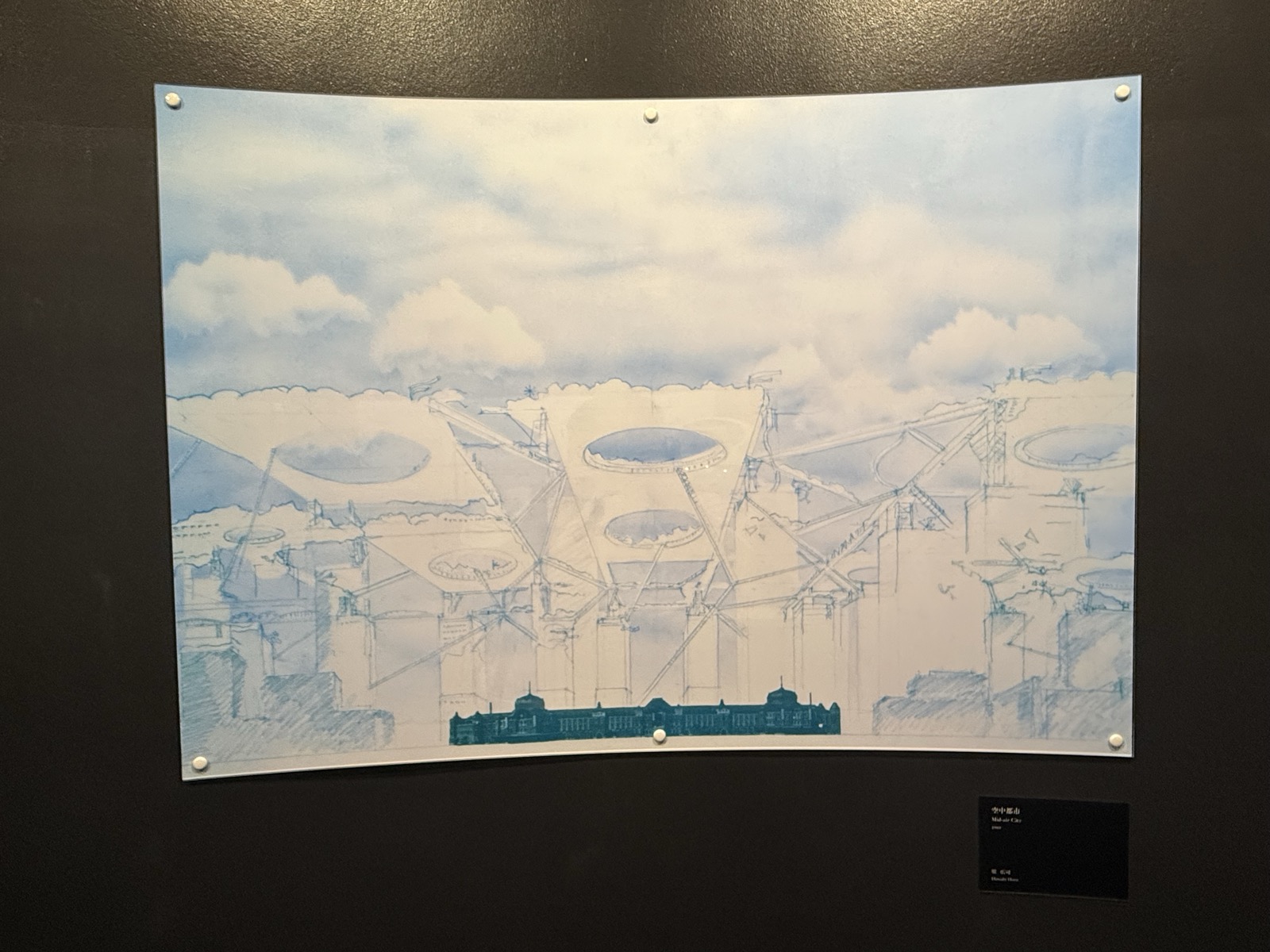
Head to Umeda. Wander the LINKS Umeda / Grand Front area, then time the Umeda Sky Building observatory for late afternoon so you catch daylight, golden hour, and the lights coming on — three views on one ticket.
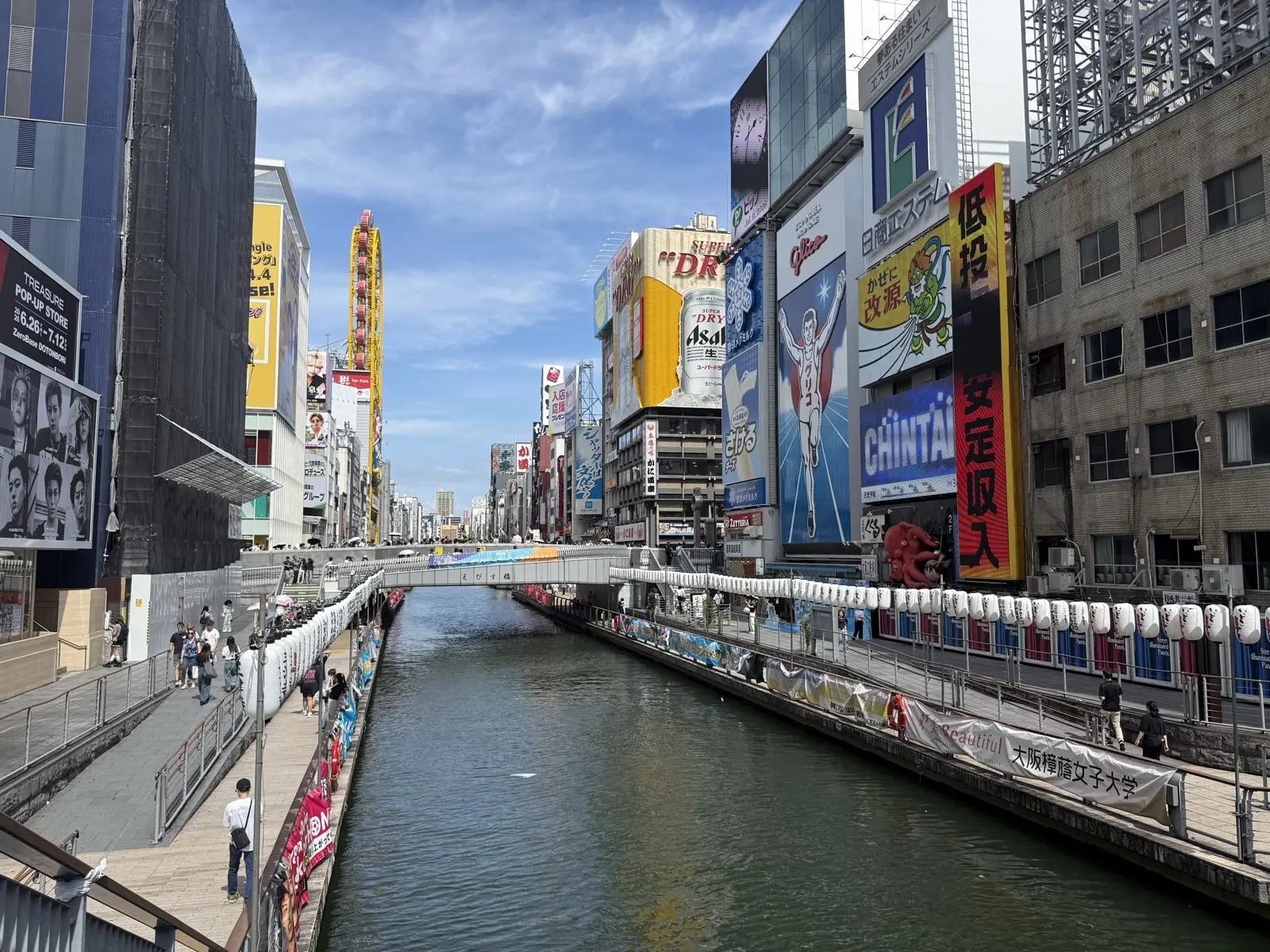
Dotonbori. The neon canal, the Glico running man, and street food wall to wall — takoyaki, okonomiyaki, kushikatsu. It's touristy and glorious; just know which stalls are worth it (see our full Dotonbori food guide). This is the Osaka everyone pictures.
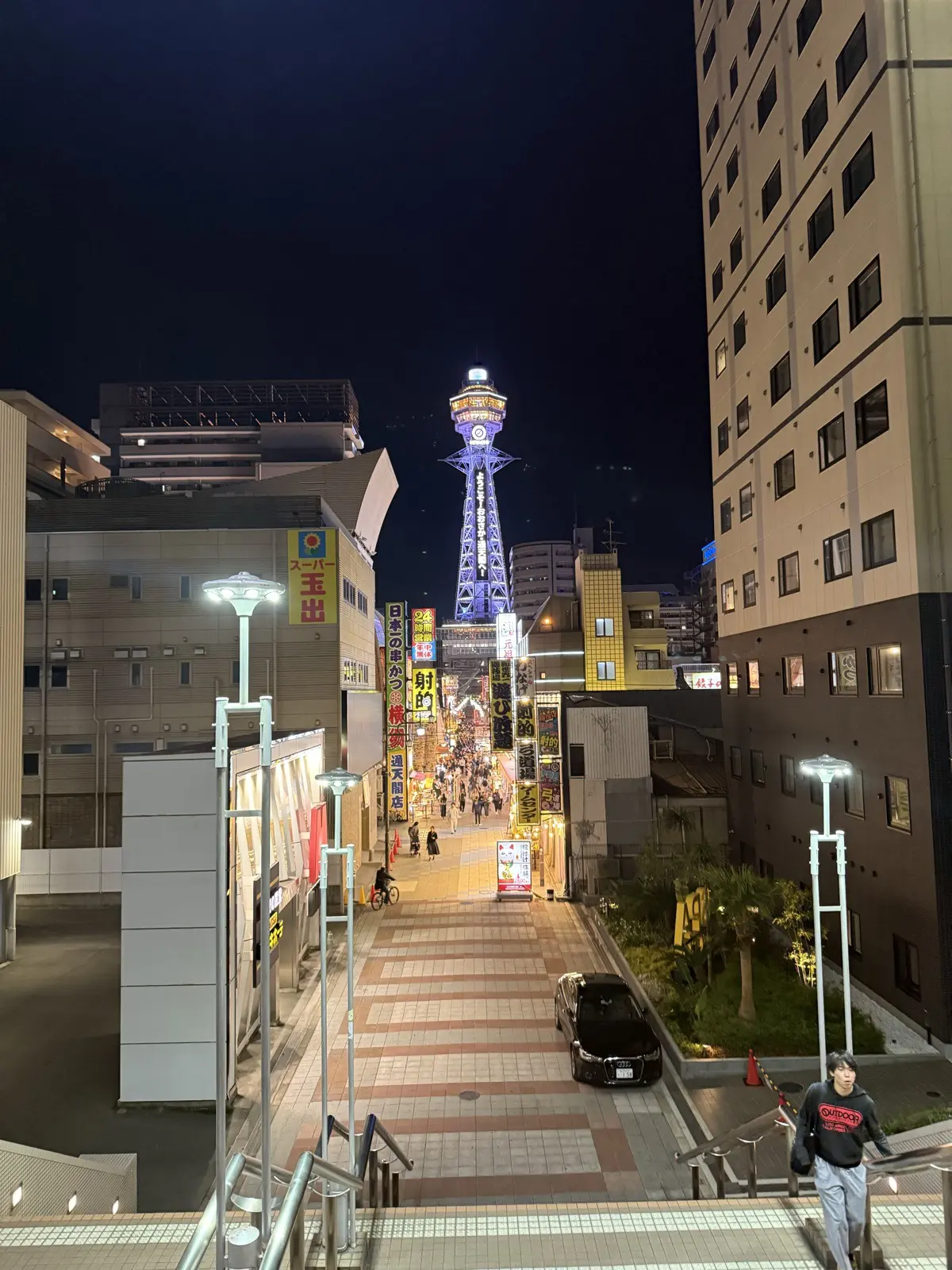
Go to Shinsekai and Tsutenkaku Tower — Osaka's gloriously retro side. This is kushikatsu country (deep-fried skewers); lean into it. My guide covers the open-air deck and whether going up is worth it.
Swing north for a slower, local afternoon: the Ohatsu Tenjin love shrine tucked into Umeda, and — if you're an animal person — the HOGOKEN rescue dog & cat cafe in Tenjinbashi, where your visit actually helps rescues.
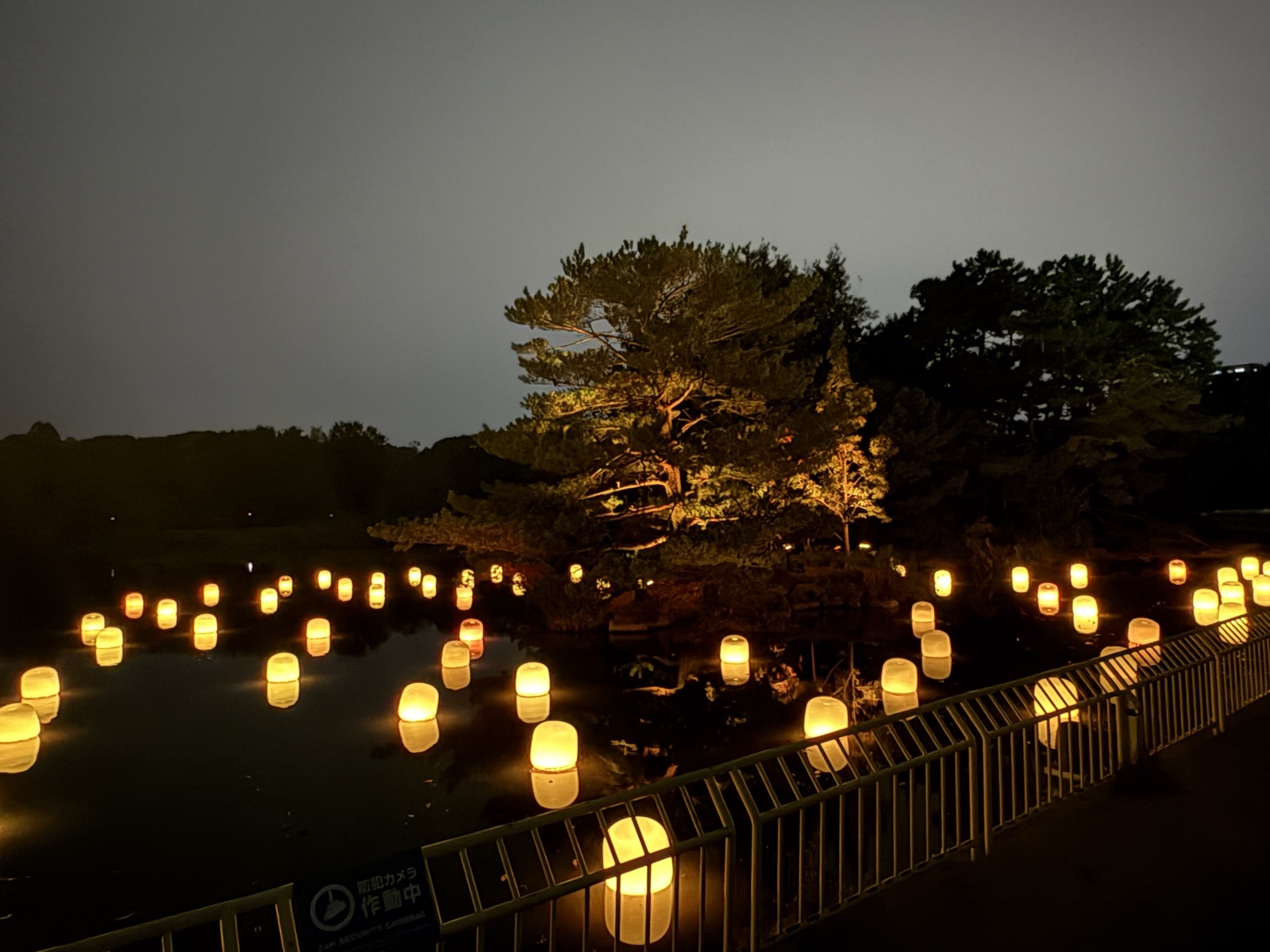
teamLab Botanical Garden — a night-only outdoor digital-art walk through a real botanical garden. Book ahead. It's a completely different mood to close the day on.
Kyoto (about 30 minutes by JR Special Rapid). Temples, Fushimi Inari's torii gates, Gion. It's the classic pairing — do the highlights and come back to Osaka to eat and sleep. See our full Osaka-to-Kyoto day-trip guide, plus honest guides to Kinkaku-ji, Kiyomizu-dera, Ginkaku-ji and Shimogamo Shrine.
Nara (about 45 minutes). Bowing deer in the park, the giant Buddha at Todai-ji, and a calmer pace than Kyoto. Great with kids. (Osaka-to-Nara guide coming.)
First trip to Japan? Kyoto, without question — it's too close and too special to miss. Been to Kyoto before, or travelling with kids? Nara is the more relaxed, joyful day.
For a packed sightseeing day, the Osaka Amazing Pass bundles subway travel with free entry to a stack of attractions and can pay for itself fast. Our honest "is it worth it" breakdown has the full math — or check prices directly:
And to weigh it against the alternatives across the region, our Kansai transport passes guide compares the ICOCA card, the Amazing Pass and the JR passes.
See Osaka attraction passes on Klook →Affiliate link — booking through it may earn us a small commission at no cost to you. We only recommend what's genuinely worth it. See our disclosure.
For a 3-day trip, the best bases are Namba/Shinsaibashi if you want to be in the thick of it (Dotonbori on your doorstep, best for nightlife and food), or Umeda if you prefer a cleaner, business-district feel with unbeatable transport for day trips. Both are excellent, central choices. (See our full where to stay in Osaka guide.)
Osaka rewards eating over ticking off sights — build in time to just wander and snack. Walk on the right on escalators here (opposite to Tokyo). Most of this itinerary is walkable in chunks with short subway hops, so comfortable shoes beat any pass. And don't over-plan day three — a relaxed day trip beats cramming a fourth neighbourhood.
Three passes get pushed at first-timers, and they do not overlap the way the ads imply. The honest breakdown for a standard 3-day Osaka base:
| Pass | Price (2026) | Best for | Skip it if… |
|---|---|---|---|
| Osaka Amazing Pass (1-day) | ¥3,500 | A single sightseeing-heavy day: Osaka Castle Museum, Umeda Sky Building, Tempozan Ferris Wheel and ~40 sights, plus unlimited Metro/bus and several private lines | Your day is mostly eating and walking Dotonbori — you won't clear the ¥3,500 in entries |
| ICOCA (IC card) | ¥2,000 (¥1,500 fare + ¥500 deposit) | Almost everyone — tap-and-go on all trains/buses, konbini and vending machines | Never; it's the sane default even alongside another pass |
| Kansai Railway Pass Lite (2-day) | ¥5,600 | Heavy private-line hopping (Nara via Kintetsu, Kobe via Hankyu) | You mainly ride Osaka Metro — it lost Kyoto Municipal Subway coverage from April 2026 and only runs seasonally (April–early October 2026) |
One thing the pass pages bury: the Amazing Pass day runs 3:00 a.m. to 2:59 a.m., so activate it first thing in the morning to get a full day out of it. It is a genuinely good deal on a museum day and a bad deal on a food day — the mistake is buying it for all three.
The most common trip-up here is confusing the free park with the paid tower. Osaka Castle Park and its grounds are free and open around the clock; the reconstructed main keep (the museum) costs ¥1,200 for adults, ¥600 for high-school/college students, and is free for junior-high age and younger. That adult price rose from ¥600 in April 2025, so older guides still quote the old figure — verify before you budget.
Buying the tower ticket online in advance lets you skip the ticket-window line, which matters on weekends and in blossom season. If you only want the photo and the moat walk, the honest answer is you can skip the ¥1,200 tower entirely — the interior is a modernized museum with an elevator, not an original interior.
Universal Studios Japan is in its busiest stretch in a decade in 2026, with the new Donkey Kong Country expansion and the park's 25th-anniversary "Discover U!!" run pulling record crowds. A 1-Day Studio Pass starts around ¥8,200; adding an Express Pass can push the day to roughly ¥19,000–¥40,000+ depending on date and tier.
The part people get wrong: park admission alone does not guarantee you into Super Nintendo World. You also need an Area Timed Entry Ticket (free, booked in the official app), a paid Express Pass that includes the area, or a VIP tour. On busy days the free app slots can be gone by around 10:30 a.m.
Either way, book the dated Studio Pass ahead — walk-up availability is not something to count on this year.
Osaka's food is the reason many people come, and timing beats any "best of" list. Practical notes that actually change your day:
A note locals would give you: the giant crab and blowfish storefronts on Dotonbori are photo landmarks, not where value dining happens — the better okonomiyaki and takoyaki are often a block off the main canal.
The Haruka Limited Express connects KIX to central Osaka and onward to Kyoto; holding an ICOCA lets you buy a discounted Haruka ticket. If your trip also hits Kyoto/Nara/Kobe, the JR Kansai Area Pass (2-day ¥4,800 / 3-day ¥5,800) covers the Haruka plus regional JR — worth pricing against point-to-point fares.
Coin lockers at Namba and Umeda run about ¥300 / ¥500 / ¥700 by size and fill up fast midday. Two things trip people up: (1) the Namba area has six similarly named stations — photograph your locker's location and line, and (2) many Namba lockers are cash-only with no changer nearby, so carry ¥100 coins. Modern lockers take IC cards or issue a QR receipt; keep it. Same-day-arrival travelers should also look at station-based paid storage counters when lockers are full.
Osaka Metro reports a continuous "one-route" wheelchair-accessible path (elevator to street level) at all of its stations, with wheelchair/stroller space in each car — one of the more stroller- and mobility-friendly systems for a first Japan trip.
Yes — arguably the easiest big day trip. Kintetsu Nara Line reaches Nara in about 36 minutes from Osaka-Namba; the JR Yamatoji Rapid from Osaka Station takes ~50 minutes. No reservation needed, trains run every 10–15 minutes, the deer park is free and open 24 hours, and the main sights cluster within walking distance of the station.
Kyoto is faster to reach (Special Rapid ~29 minutes, ¥580 from Osaka Station) but the sights are spread out and busy; Nara is a gentler, more compact half/full day. Most first-timers do Kyoto; repeat visitors and families with kids often prefer Nara.
Late March–early April (blossoms) and October–November (mild, dry) are the standouts, but they're also the most crowded and expensive — blossom-peak and Golden Week hotel rates can run 2–3× low season. June–July is rainy-season humid; September carries typhoon risk; mid-January–February is cheapest with cold but dry weather.
The open-air Kuchu Teien Observatory sits 173 m up (adults listed at ¥2,000, ages 4–elementary ¥500; hours to 22:30 with last entry 22:00 in regular season — verify current pricing on the official site). It's a sunset-and-night-view experience rather than a history stop, so it complements the castle rather than competing with it.
Yes — 3 days lets you see the icons, eat well, and take one day trip without rushing. Two days works if you skip the day trip; four lets you add Universal Studios Japan or a second day trip.
For food, energy and value, base in Osaka and day-trip to Kyoto — Kyoto is only 15–30 minutes away by train, and Osaka is cheaper and livelier at night.
Namba/Shinsaibashi to be walkable to Dotonbori and nightlife, or Umeda for polished convenience and the best transport for day trips. Both are central and safe.
Only if you're doing several paid attractions in a day — then it can pay for itself. For a slower, food-focused trip you may be better off paying per attraction.
USJ easily fills a full day, so it doesn't fit neatly into a 3-day sightseeing trip — add a 4th day for it.