Home › Where to stay in Osaka
Osaka · Where to stay
Where to stay in Osaka: an honest area guide
KBy Kai Sato · a 28-year Osaka local
Last updated July 2026 · Neighbourhood advice from someone who actually lives in the city.
Osaka is compact and its subway is excellent, so you don't need to agonise over this — almost anywhere central is fine. But the feel of each area is very different, and picking the right one makes the trip smoother. Here's the honest local breakdown: which neighbourhood suits which kind of traveller, and where to actually book.
First time in Osaka? Stay in Namba (Minami) or Shinsaibashi — you'll be walking distance from Dotonbori and the best food, on the main subway line. Want the smoothest transport and Kyoto day trips? Stay in Umeda (Kita). On a budget? Tennoji. Either way, stay near the Midosuji subway line — it connects everything.
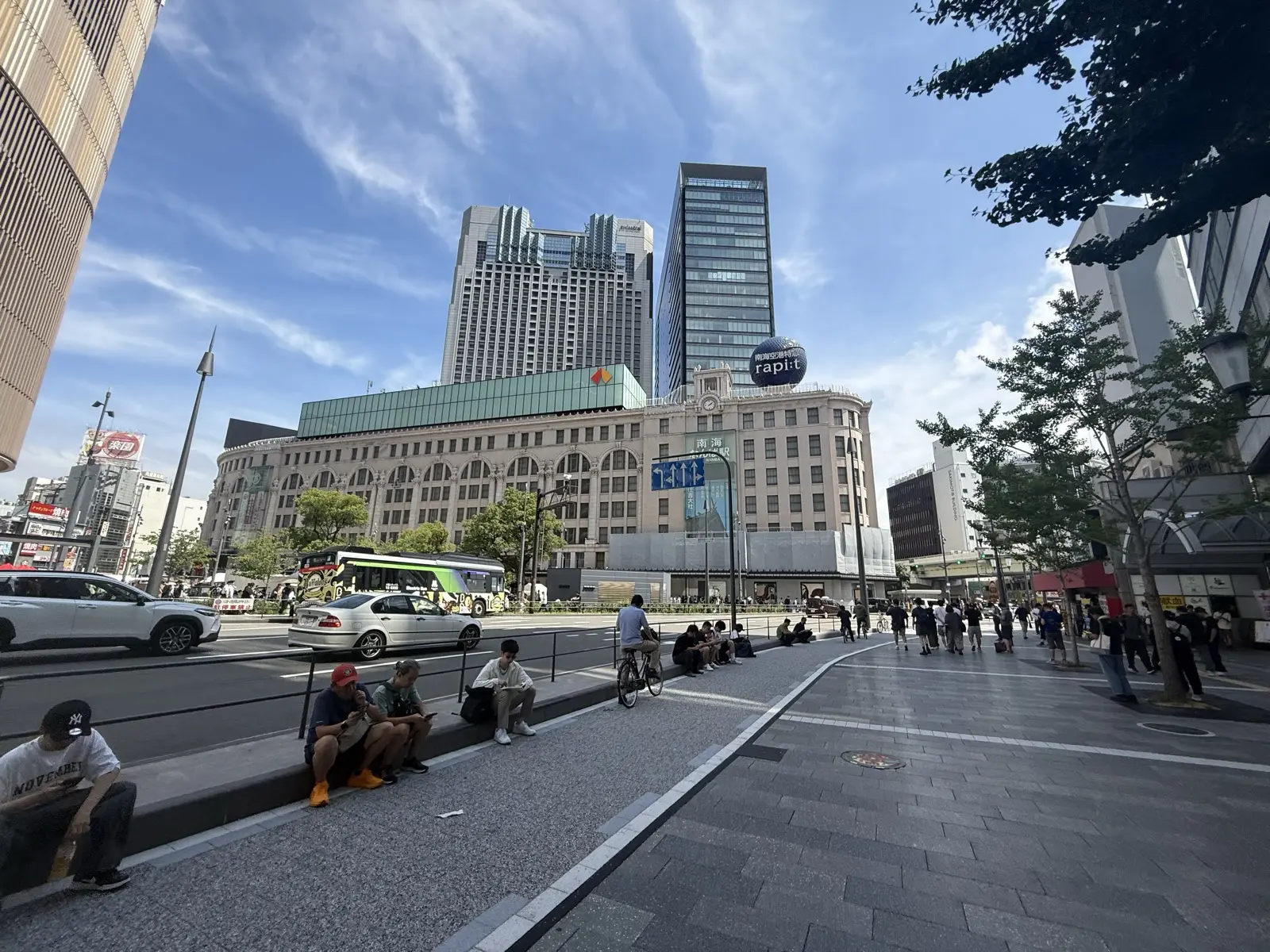
The buzzing heart of southern Osaka — Dotonbori, street food, nightlife and Shinsaibashi shopping are all on your doorstep. It's loud, neon and fun, and it's where the city feels most "Osaka." Namba Station is a major hub, with the direct Nankai line to Kansai Airport. It can be noisy at night, so pick your hotel's street with that in mind.
Stay here if: it's your first visit and you want to be in the middle of the action and the food.
The northern hub around Osaka Station — big department stores, the Umeda Sky Building, and the best transport links in the city. This is the best base for Kyoto day trips (fast JR trains), airport access (the Haruka express), and onward shinkansen travel via nearby Shin-Osaka. It's a bit more grown-up and business-like than Namba — less nightlife, more polish.
Stay here if: you're day-tripping to Kyoto/Nara a lot or value the smoothest connections.
Right between Namba and Umeda on the Midosuji line, Shinsaibashi is Osaka's big shopping district and a genuinely convenient middle ground — walkable to Dotonbori, central for everything, and generally a notch calmer than the middle of Namba. A safe pick if you can't decide.
Stay here if: you want central and walkable to the action, but a little less chaos.
Southern Osaka, near Shinsekai and Tsutenkaku. It's cheaper, more local, and quietly on the up, with the Abeno Harukas skyscraper, good parks, and easy airport access by JR and Nankai. You trade some polish for value and a more everyday-Osaka feel.
Stay here if: you want to save money or prefer a more local, less touristy base.
Purely practical: this is the bullet-train station, two subway stops north of Umeda. There's little to see or do here — it's business hotels and not much soul. Only base here if you're arriving late and leaving early by shinkansen. Otherwise, stay in Umeda and it's a five-minute train to catch your train.
Stay here if: you have an early or late shinkansen and want zero hassle — otherwise skip it.
Osaka has every budget covered, from capsule hotels and hostels to business chains and luxury. A few things worth knowing: book well ahead for cherry-blossom (late March–early April) and autumn (November), when the city fills up (see our best time to visit guide). Check your hotel is within a few minutes' walk of a Midosuji line station — it's the spine of the city and saves you transfers. And remember the big draw of basing in Osaka: it's cheaper and livelier than Kyoto, with Kyoto's temples only 30 minutes away.
Osaka charges a prefectural accommodation tax that is collected on top of your room rate, usually in cash at check-out, and it is easy to overlook when comparing quoted prices. The rates rose on September 1, 2025, and the threshold was lowered so that even budget rooms are now taxed. The charge is per person, per night, based on the room-only rate (excluding meals).
| Room rate per person / night | Tax (since Sep 2025) | Old rate (until Aug 2025) |
|---|---|---|
| Under ¥5,000 | Exempt | Exempt under ¥7,000 |
| ¥5,000–¥14,999 | ¥200 | ¥100 |
| ¥15,000–¥19,999 | ¥400 | ¥200 |
| ¥20,000+ | ¥500 | ¥300 |
The honest takeaway: for a couple sharing a ¥30,000 room (¥15,000 each), that is ¥400 × 2 people × the number of nights — real money over a week, but not enough to change which area you pick. The tax applies to the room-only portion, so a package that bundles breakfast into the price may be taxed on a lower base than one that lists breakfast separately.
Your ideal neighbourhood partly depends on how you arrive. Namba/Minami is the airport-access winner: the Nankai line runs straight there with no transfers. Umeda/Kita is genuinely less convenient from KIX despite being a major hub.
| Route | To | Time | Adult fare |
|---|---|---|---|
| Nankai Rapi:t (limited express) | Namba | ~34 min | ¥1,490 (reg. seat) |
| Nankai Airport Express | Namba | ~45–50 min | ¥970 |
| JR (with one transfer) | Umeda / Osaka Stn | ~60 min | varies |
The Rapi:t's extra ~¥520 over the ordinary Express buys reserved seats with luggage space and power outlets; for most travellers the plain Express is fine and the savings are real. An ICOCA IC card (¥2,000, including a ¥500 refundable deposit) does not discount fares but removes the need to buy paper tickets — tap in and out on every line. If you are heading to Umeda, factor in the transfer; some visitors find the airport limousine bus simpler with big suitcases.
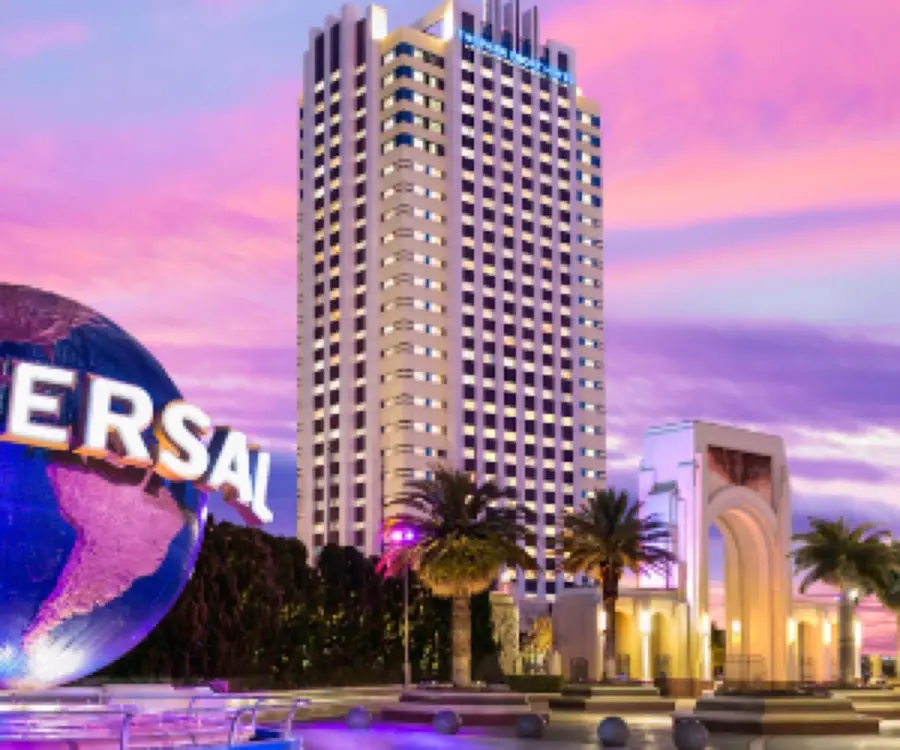
USJ has its own accommodation cluster on the bay, one to three minutes from Universal City Station on the JR Yumesaki line. From central Osaka (Osaka/Umeda Station) the park is only about 15 minutes and ¥200 away with several direct trains per hour, so basing yourself in the city and commuting out is entirely practical.
Stay bayside if: you have young kids, you want to hit the park at opening two days running, or you value walking back to your room mid-day for a nap. Official and partner hotels include The Park Front Hotel (closest to the gate), Hotel Universal Port, and Hotel Keihan Universal Tower.
Skip the bayside and stay central if: USJ is a one-day event on a broader Osaka trip. The Universal City area is a purpose-built resort strip — convenient, but there is little authentic Osaka food or nightlife within walking distance, and you would still transfer through the city for most other sightseeing. Most first-timers get more out of a Namba or Umeda base plus a day trip to the park.
Osaka is one of the world's safest big cities — so this is about comfort and value, not danger. Two names come up repeatedly:
The practical rule: a slightly higher nightly rate in Namba, Umeda or Tennoji buys peace of mind and a location you will actually enjoy walking around at 11pm.
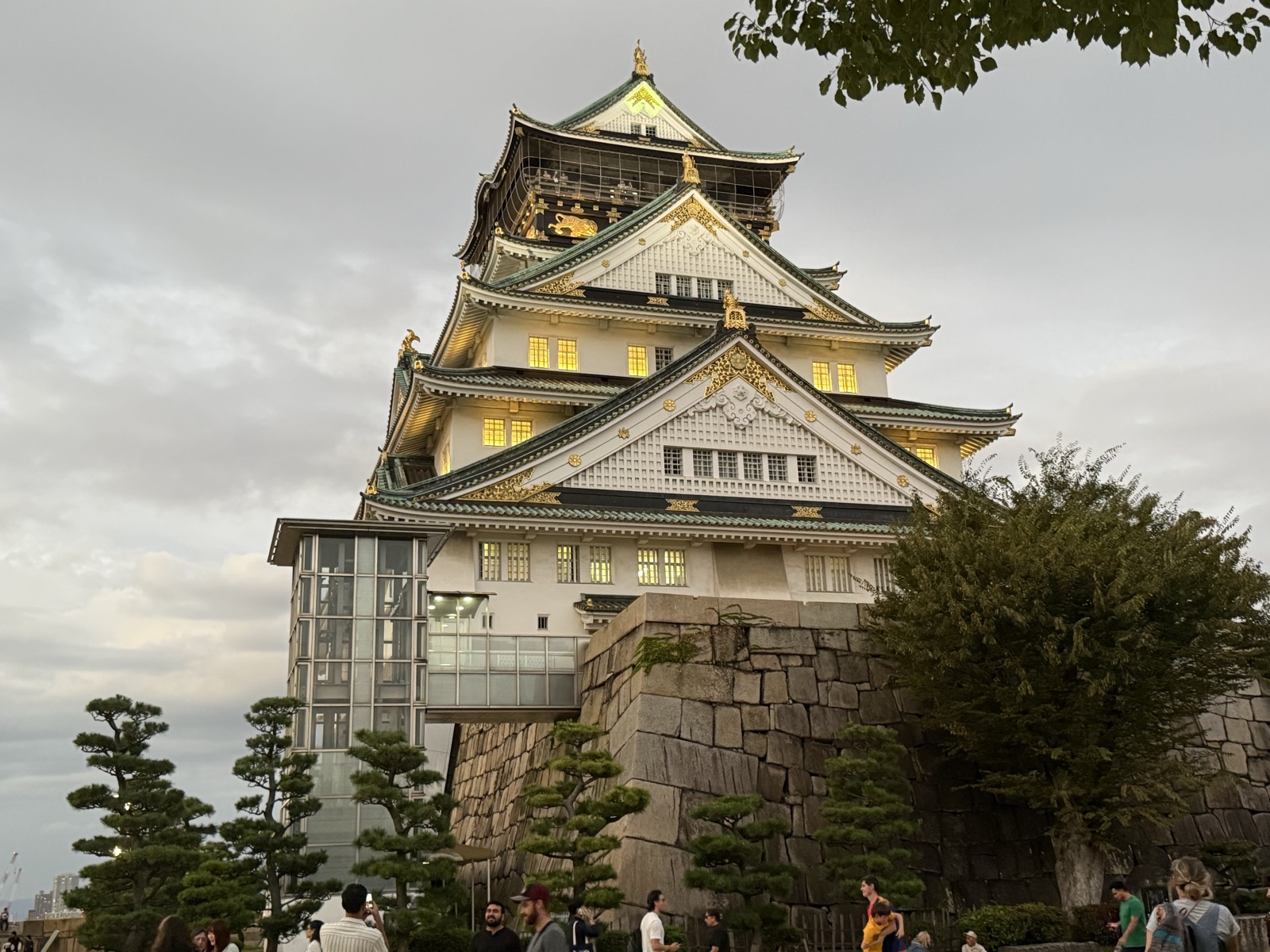
Osaka Amazing Pass: ¥3,500 for a 1-day pass and ¥5,000 for 2 days (standard version; sales period Mar 2026–Mar 2027). It bundles unlimited Osaka Metro, city bus and New Tram rides with free entry to 40+ attractions (Osaka Castle, Umeda Sky Building observatory, Tombori River Cruise and more). It is a genuine bargain only if you pack in several paid sights in a day — a slow sightseeing pace will not recoup ¥3,500. Note it is now a digital QR ticket; the physical card ended in June 2024.
Same-day luggage delivery: several operators (LuggAgent, Airporter, and hotel-run services like MIMARU and OMO) move suitcases between KIX and Osaka hotels so you can sightsee hands-free on arrival or departure day. Typical windows: drop at the airport by late morning for evening hotel delivery, or drop at your hotel front desk by ~9am for airport delivery by mid-afternoon. Pricing varies by operator (roughly the cost of one Rapi:t ticket per bag, verify), and it is booked per piece. This solves the classic problem of a 3pm check-in when your flight lands at 9am.
Standard check-in is 15:00 and checkout is 10:00 or 11:00. Early check-in is usually refused even if a room looks empty, because rooms are still being cleaned — pay for a guaranteed early-check-in plan if you need it. However, nearly every hotel will hold your luggage for free at the front desk before check-in and after checkout; you get a tagged receipt.
Yes. By Japanese law, non-resident foreign guests must present a passport and the hotel photocopies the photo page. This applies to business hotels, capsule hotels and ryokan alike. Most business hotels in Osaka have 24-hour front desks, so late arrivals are fine as long as your reservation is on file.
Excellent — this is one of Osaka's strongest arguments. Approximate one-way times: Kyoto ~14 min by shinkansen or ~43 min / ¥400 on the Hankyu line from Umeda; Nara ~30 min by express; Kobe (Sannomiya) ~30 min from Umeda on Hankyu; Himeji ~30 min from Shin-Osaka by shinkansen. If day trips are central to your plans, a base near Umeda (private-line hub for Kyoto/Kobe/Nara) or with quick Shin-Osaka access (shinkansen to Himeji/Kobe) pays off.
Chasing a cheap headline rate in Nishinari without realising why it is cheap, and comparing prices without adding the per-person accommodation tax and any breakfast surcharge.
Namba (Minami) or Shinsaibashi — both are central, walkable to Dotonbori and the best food, and on the main Midosuji subway line.
Namba for food, nightlife and first-time buzz; Umeda for the best transport, Kyoto day trips and a calmer, more polished feel. Both are excellent and central.
Tennoji is cheaper and more local while still well-connected, with good airport access. Osaka also has plenty of hostels and capsule hotels across the city.
For most short trips, base in Osaka — it's cheaper, livelier and has better food — and day-trip to Kyoto, which is only about 30 minutes away by train.
Only if you're relying on the shinkansen and want zero transfers. It has little atmosphere; most travellers are better off in Umeda, a few minutes away.