Home › Things to do in Osaka
Osaka · The honest list
Things to do in Osaka: a local's honest list
KBy Kai Sato · a 28-year Osaka local
Last verified July 2026 · Every place here we've visited ourselves — with our own photos and real prices.
Search "things to do in Osaka" and you get the same ten stock-photo listicles written by people who've never been. Here's the honest version from someone who actually lives here: what's genuinely worth your time, what's overrated, and roughly how long you need. Osaka is a 2–3 day city — do it right and it's the best base in Japan, with Kyoto and Nara an easy day trip away.
Give Osaka 2 full days: one for the castle + the neon of Dotonbori, one for the Shinsekai/Tsutenkaku old town and the food. Add a third day for a Kyoto day trip. Base yourself around Namba or Umeda. Come hungry — the real reason to visit Osaka is the eating.

Osaka's blockbuster — Super Nintendo World, Harry Potter, and record crowds in the 25th-anniversary year. It eats a full day and real money (a 1-Day Studio Pass starts around ¥8,200, and an Express Pass on top can run ¥19,000+), but if theme parks are your thing it's the single best day in Osaka. On busy dates buy the Express Pass — the free timed-entry lottery for Nintendo World can sell out by mid-morning.
Read the USJ & Super Nintendo World guide →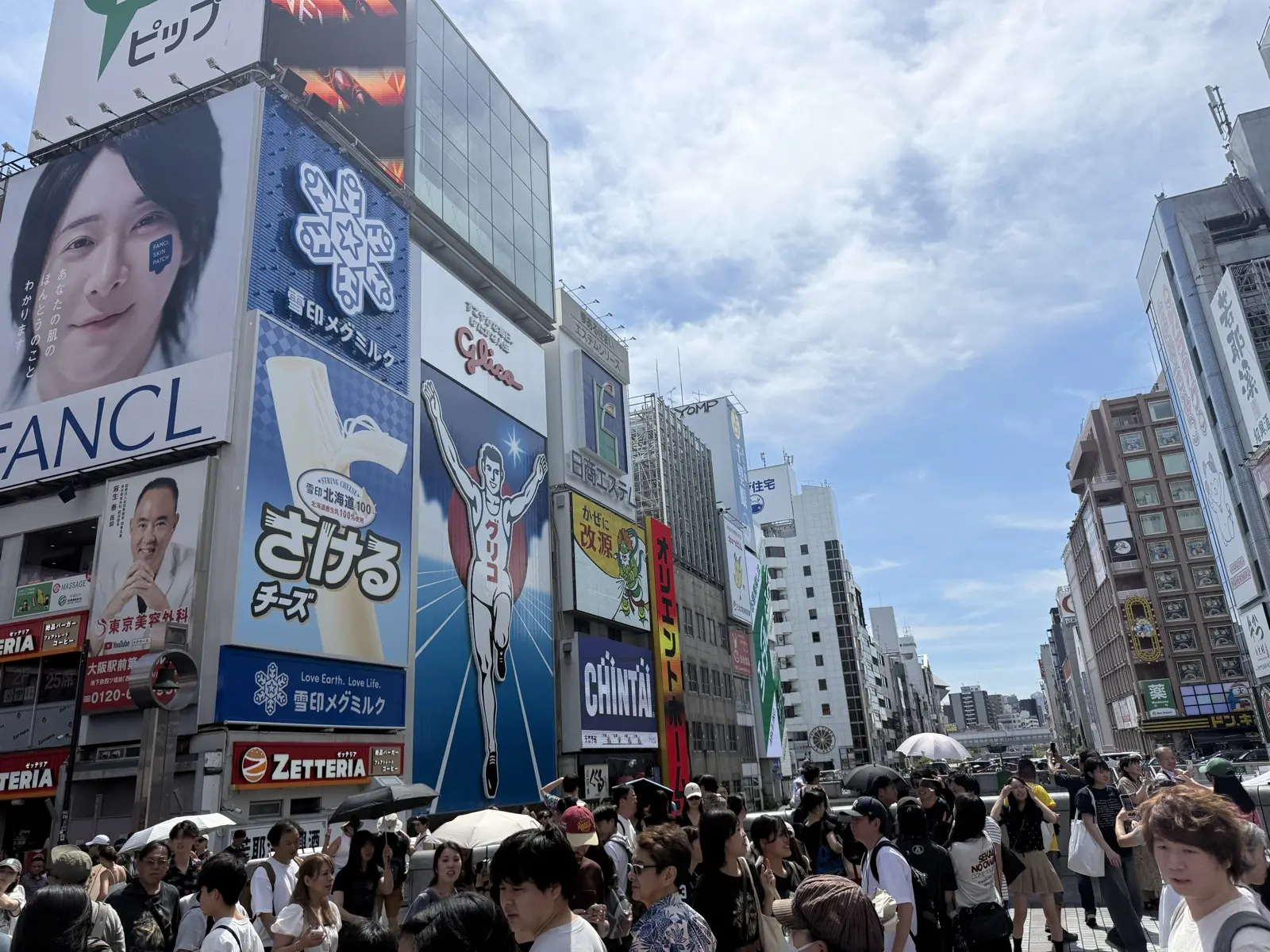
This is the Osaka of the postcards — the giant Glico running-man sign, the canal, and street food everywhere: takoyaki, okonomiyaki, kushikatsu. It's touristy and loud, and it's still a must. My honest tip: eat one thing on Dotonbori for the photo, then walk two streets back into Namba for where locals actually eat, at half the price.
Read the Dotonbori & Namba food guide →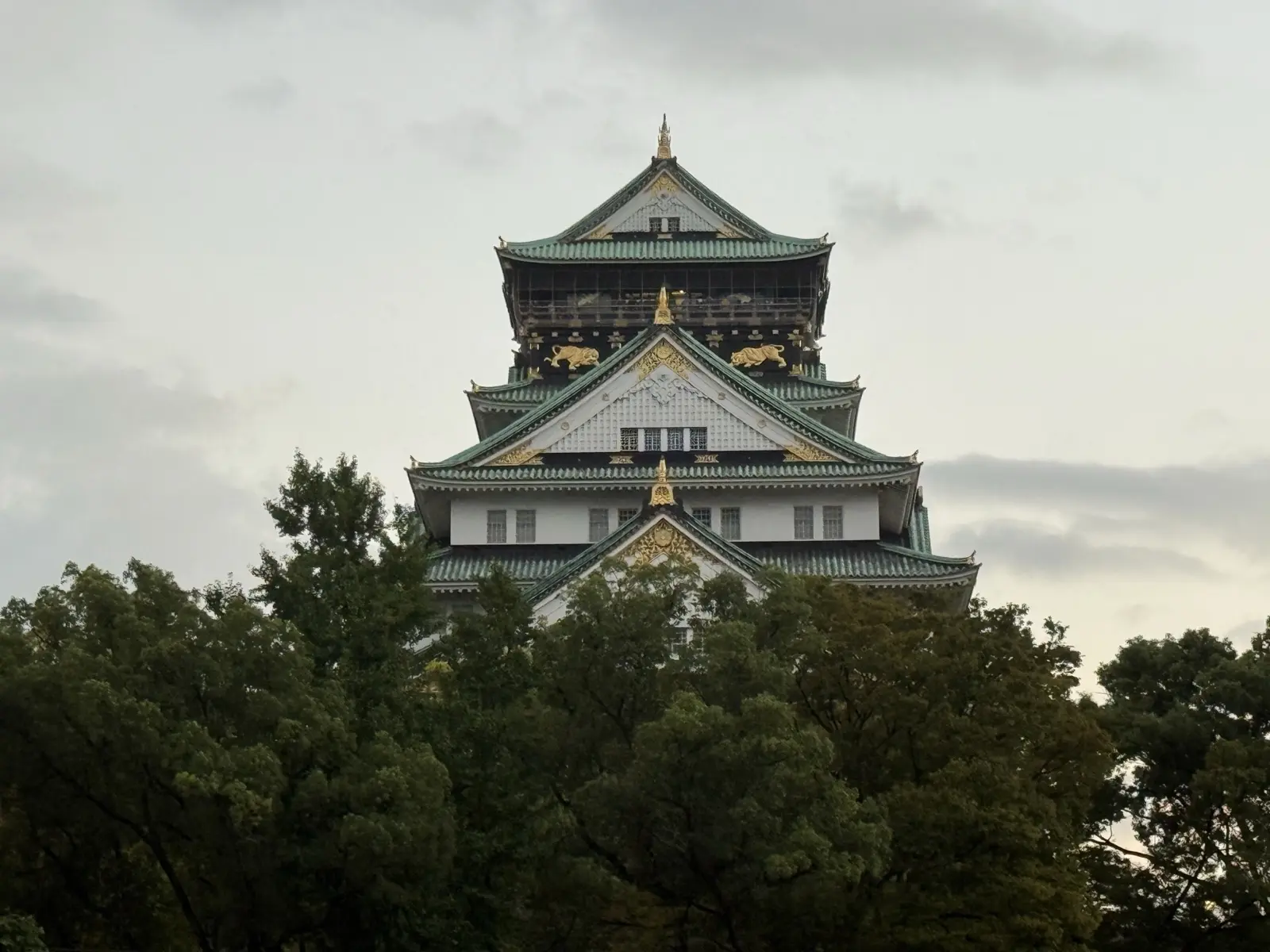
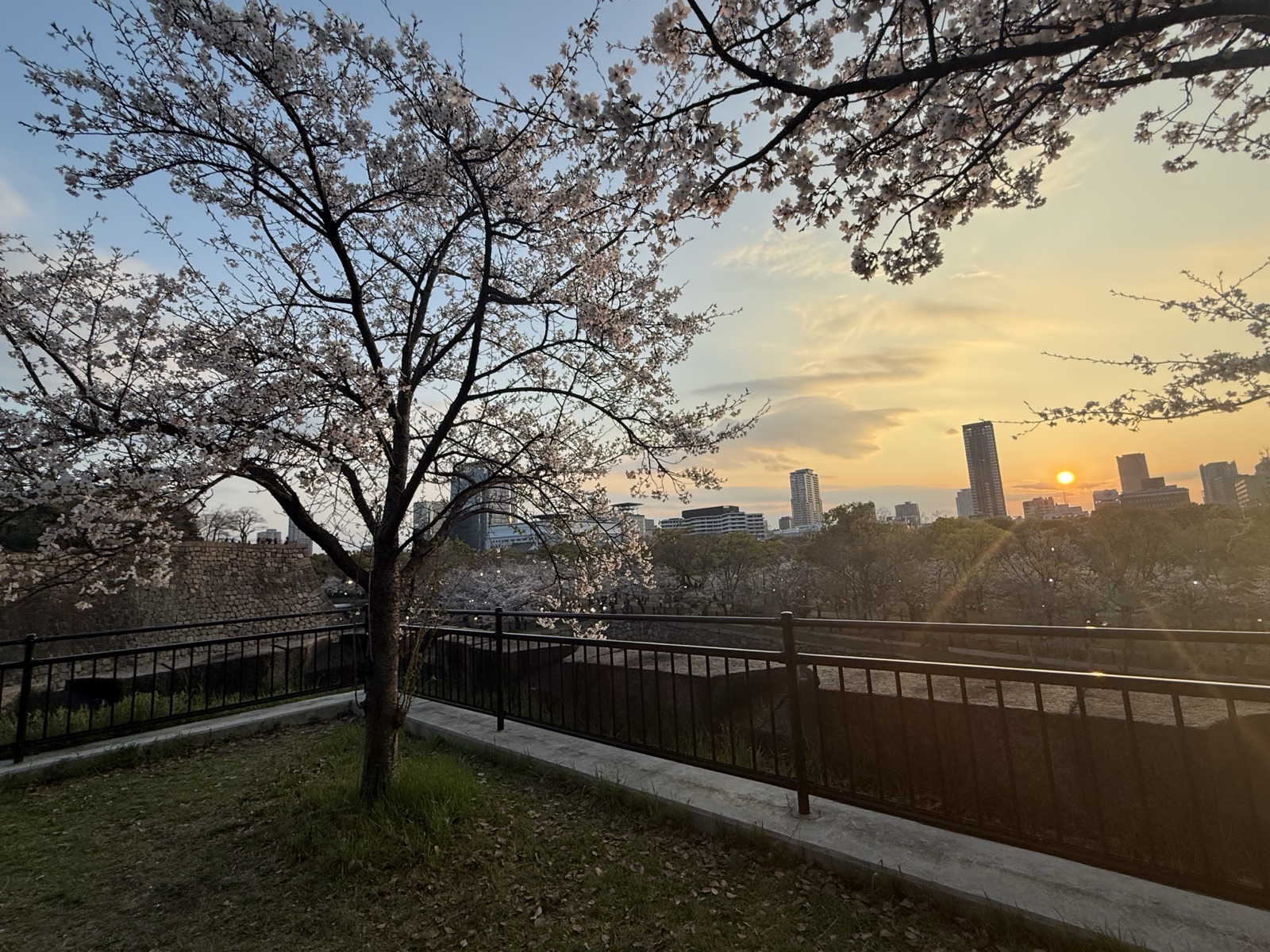
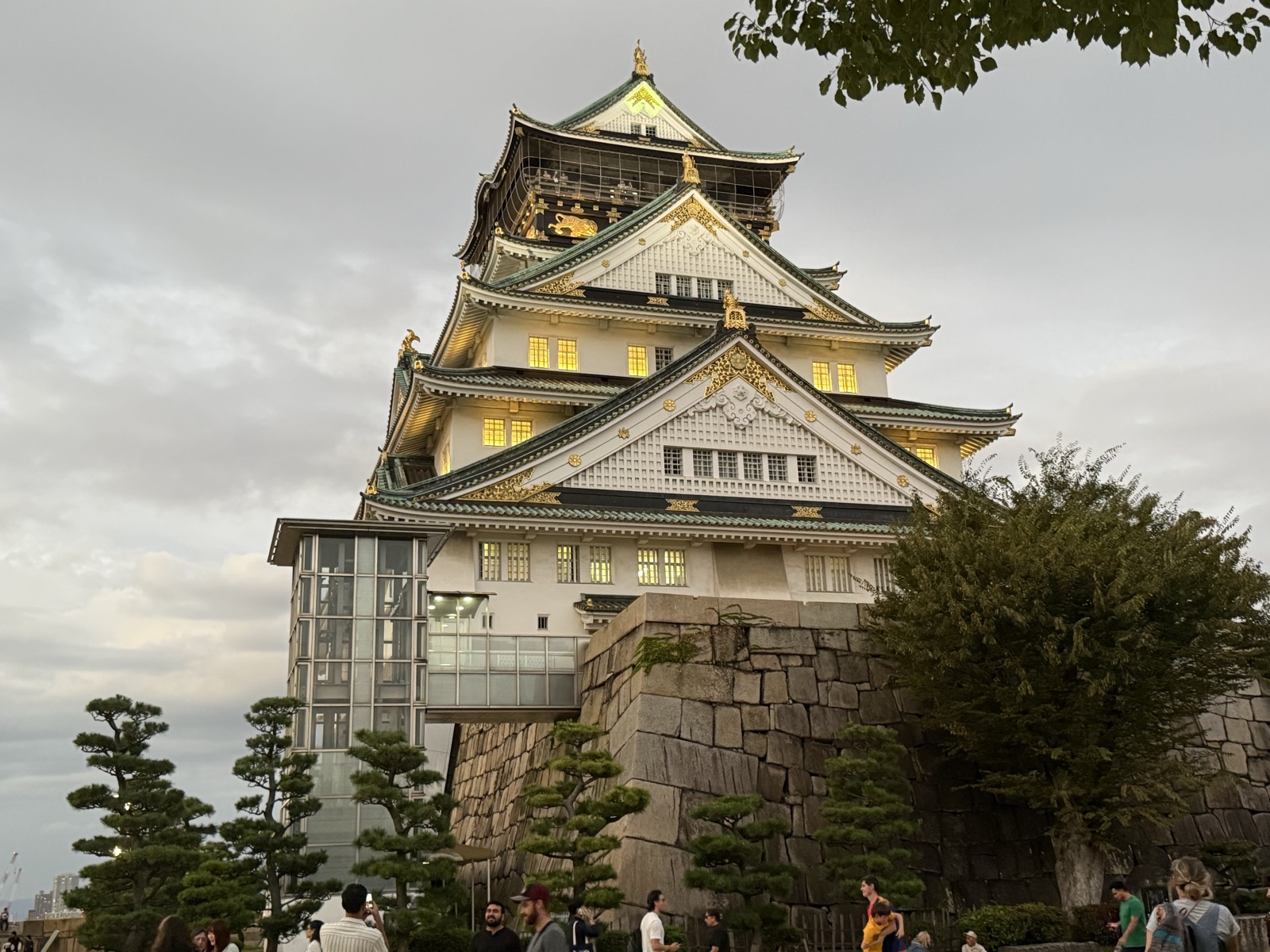
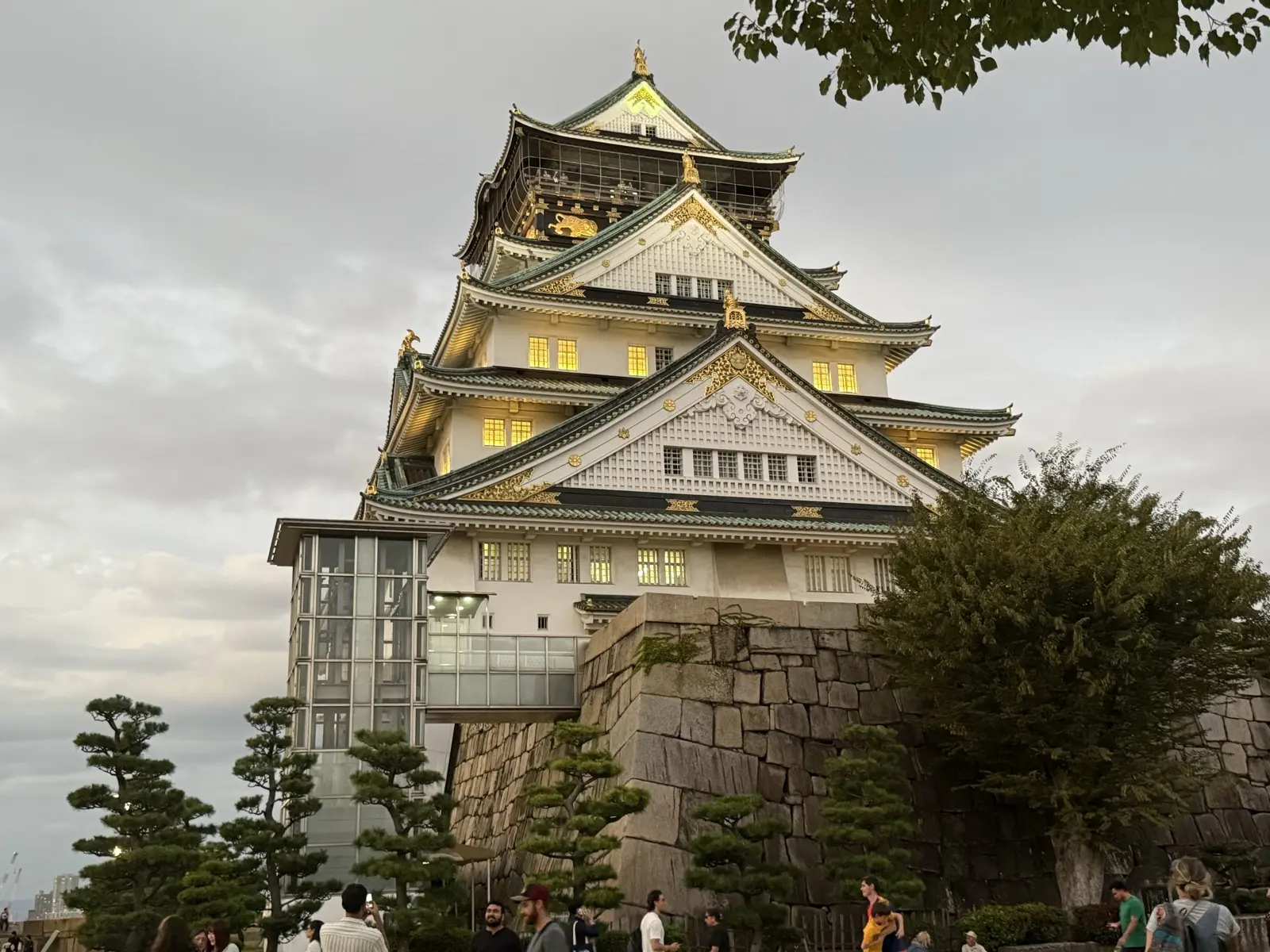
The city's landmark, stunning from the outside and surrounded by a huge park that's magic in cherry-blossom season. Inside it's a modern museum (elevator and all), which surprises people — our guide explains exactly who should pay to go up and who should just enjoy the grounds.
Read the honest Osaka Castle guide →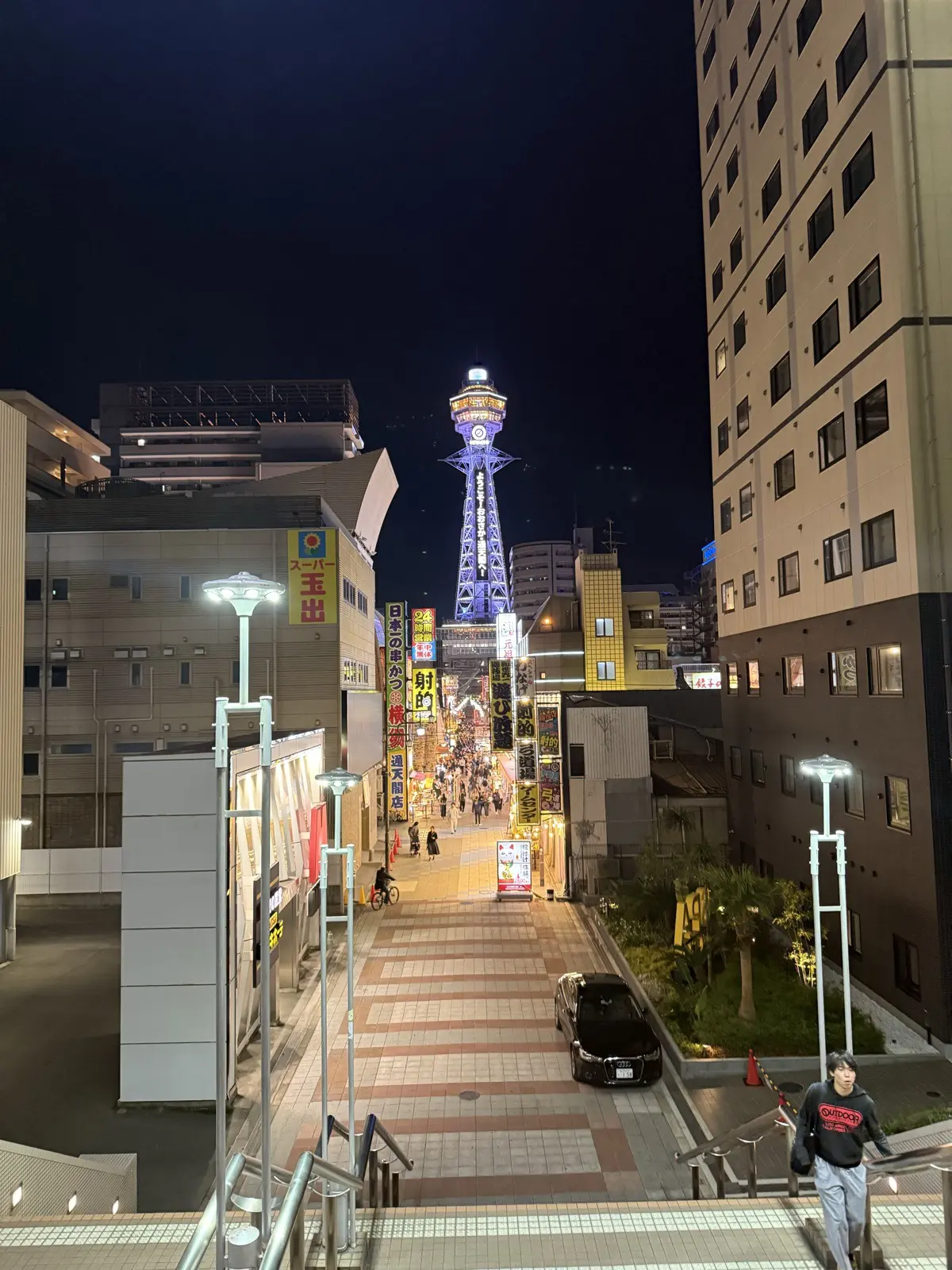
Osaka's gloriously retro old quarter — neon, kushikatsu joints, and the city's nostalgic tower. It's grittier and more real than Dotonbori, and the open-air deck is a genuinely fun (if you like heights) way to see it.
Read the Tsutenkaku & Shinsekai guide →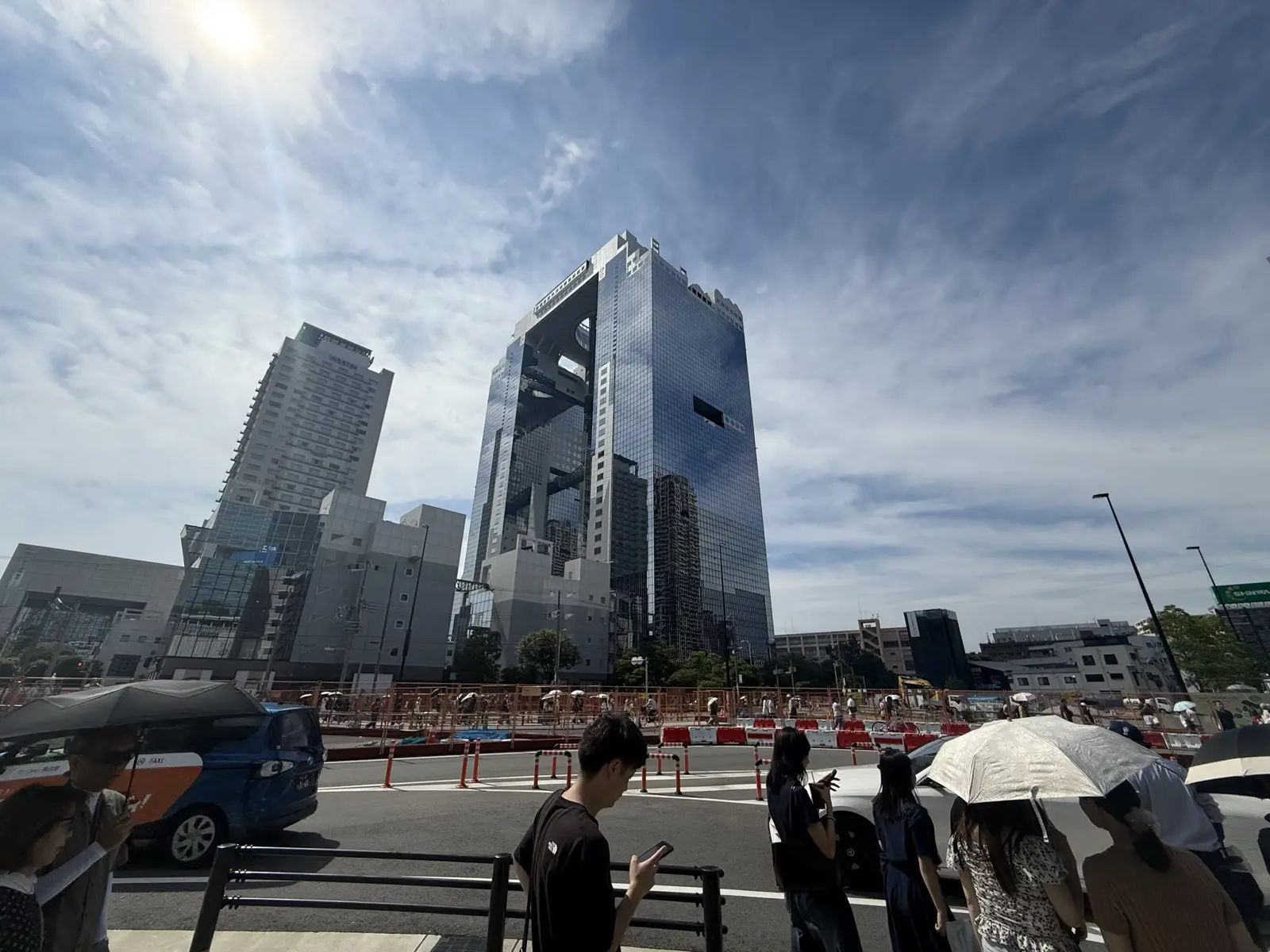
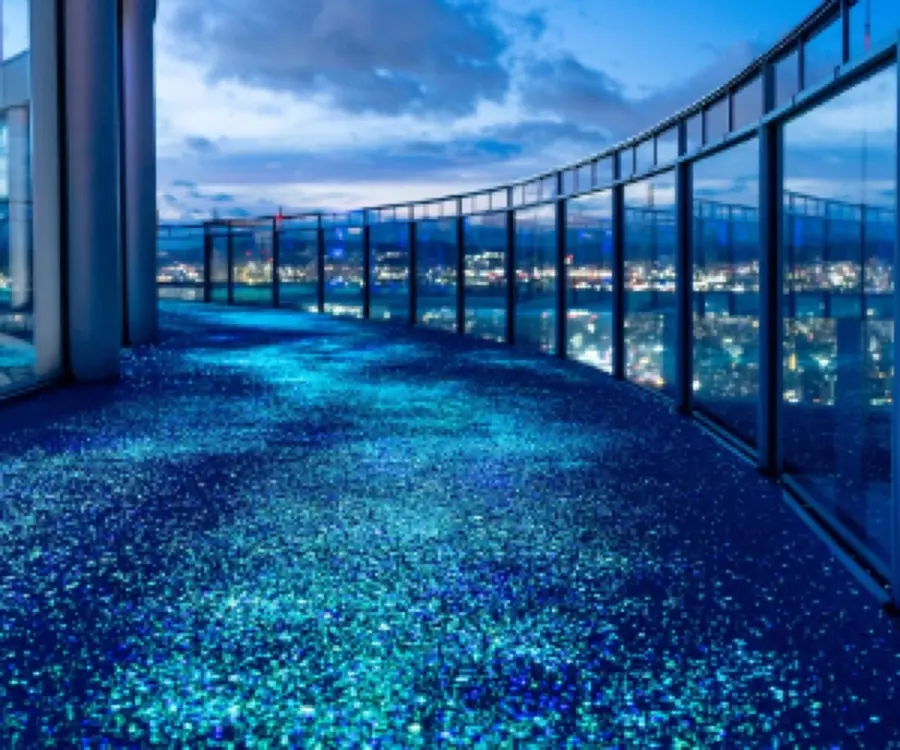
The best skyline view in the city, from a genuinely unusual open-air rooftop ring. Go for sunset and stay for the lights. It's the one paid observatory that's genuinely worth the money.
Read the Umeda Sky Building guide →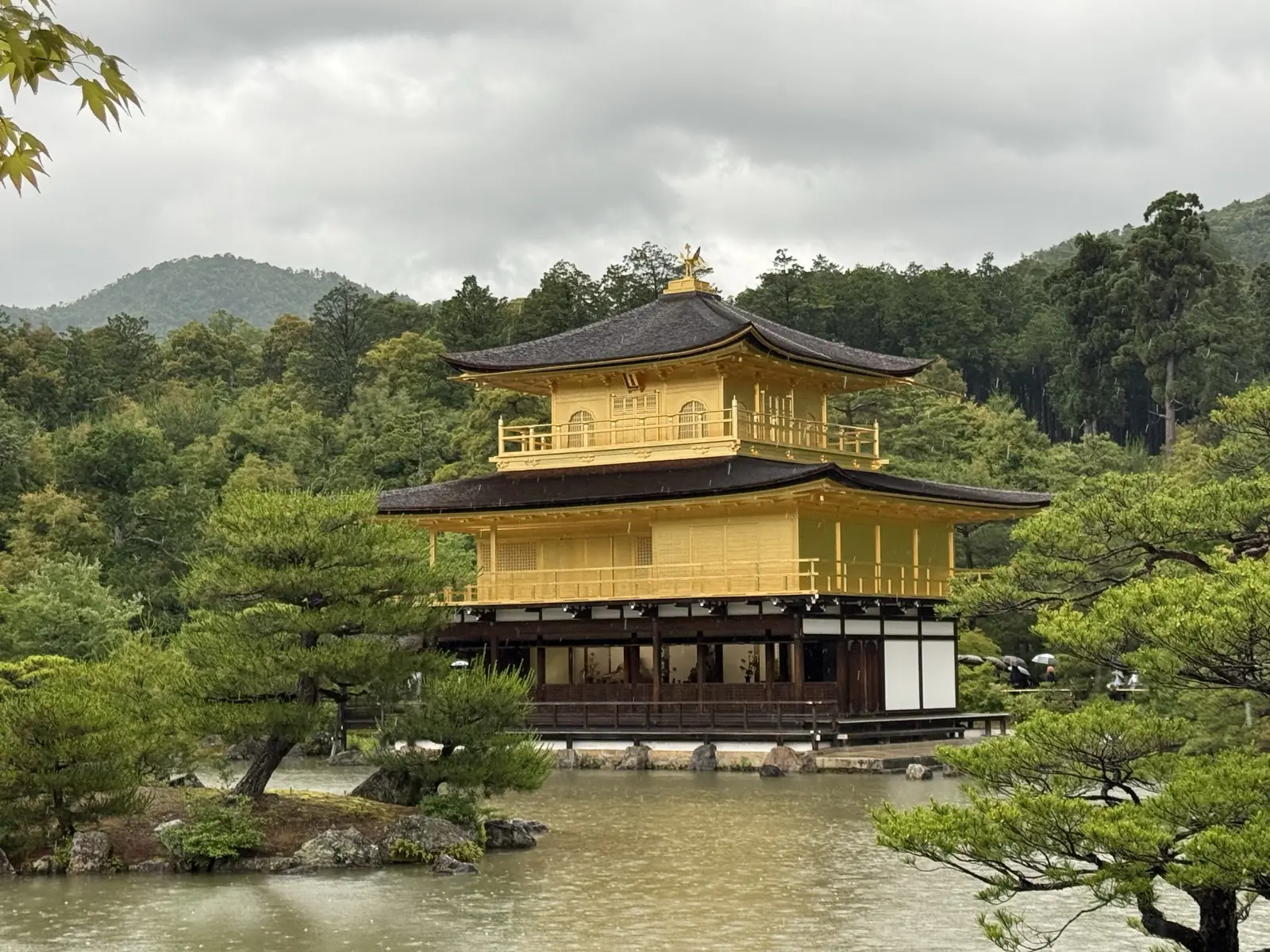
Yes, it's not Osaka — but it's 30 minutes away, and skipping it would be a mistake. Base in Osaka, day-trip to Kyoto's temples, come back to eat. We've got a full guide plus honest write-ups of the big temples.
Read the Osaka → Kyoto day-trip guide →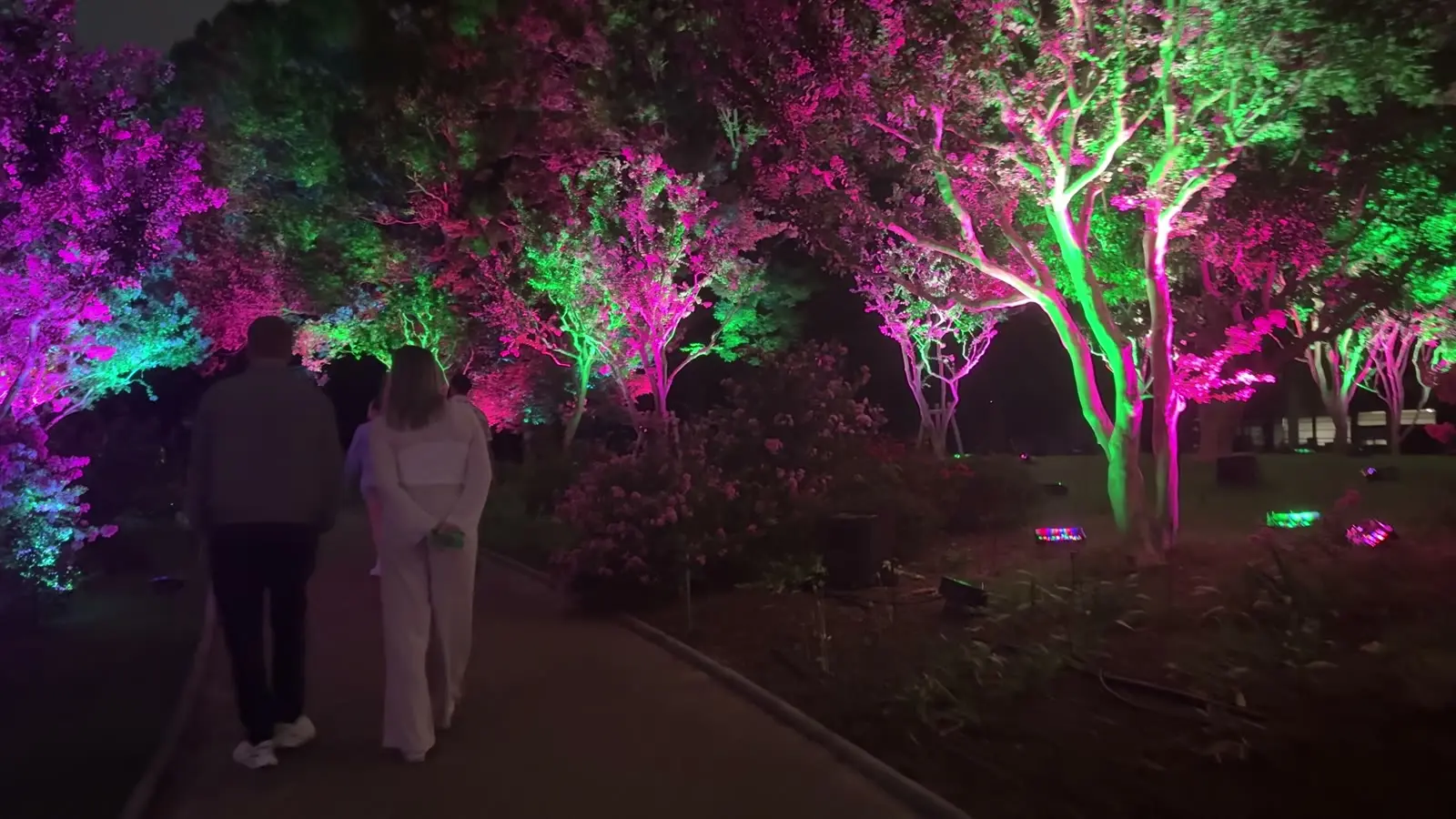
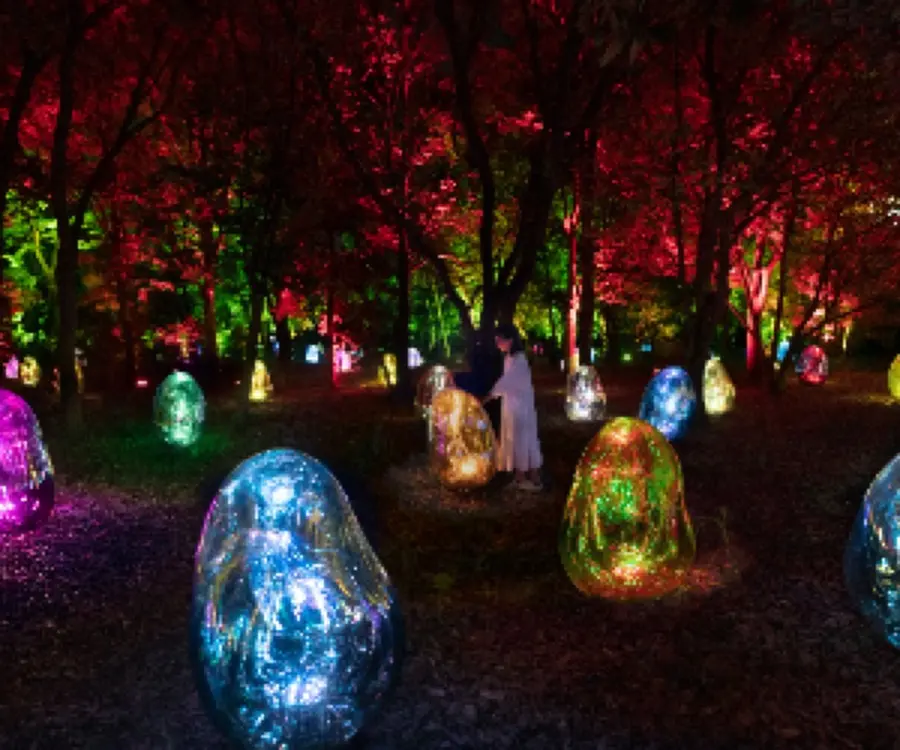
A night-only outdoor digital-art walk through a real botanical garden — genuinely lovely if you like immersive art, and different from anything else on this list. Book ahead.
Read the teamLab guide →When you want a break from the crowds: Ohatsu Tenjin, the free love shrine hidden behind Umeda; the Nakanoshima Museum of Art (the black one) for modern art; and HOGOKEN CAFE, where a coffee helps rescue animals. Small, honest, worth it.
Two full days covers Osaka's highlights comfortably; a third lets you day-trip to Kyoto or Nara. If you only have one day, do the castle in the morning and Dotonbori/Namba in the evening. For a full plan, see our 3-day Osaka itinerary.
We put USJ at the top of the ranked list above, but it's a full-day, big-ticket commitment — so here's the honest breakdown before you give it a whole day. The honest breakdown: a 1-Day Studio Pass starts around ¥8,200, and the real decision is the Express Pass on top of it. Adding an Express Pass can push the total to roughly ¥19,000–¥40,000+ depending on the date and tier.
The 25th Anniversary "Discover U!!" celebration runs throughout 2026 and crowds are at record highs. That changes the Express-Pass math. On busy days the free Area Timed Entry lottery for Super Nintendo World (booked in the official app) can sell out as early as around 10:30 AM, so relying on it is a gamble. Skip the Express Pass only if you're visiting on a quiet weekday and willing to arrive before opening; otherwise treat it as insurance against missing Nintendo World and the Donkey Kong Country area. Note the Mine Cart ride height limits: 107 cm with a guardian, 122 cm to ride solo.
Access: the JR Yumesaki Line (Sakurajima Line) runs direct from JR Osaka Station to Universal City Station in about 12–15 minutes for ¥180, then a 5-minute walk. Direct trains leave from Platform 1 at Osaka Station. Note the Osaka Amazing Pass does not cover USJ admission.
For families, the most efficient move is to cluster the kid-friendly sights on the Osaka Bay waterfront at Tempozan (about 25 minutes from Umeda) rather than scattering them across the city.
Osaka Aquarium Kaiyukan is the anchor. Its design is genuinely unusual: you ride up to the 8th floor and spiral slowly down a single ramp wrapped around one giant Pacific Ocean tank (9 m deep, 5,400 tons), so you meet the same tank from sunlit surface to dark deep. Two whale sharks live in that central tank as of 2026. Budget about 2.5 hours. Kaiyukan uses dynamic pricing in 2026: adults ¥2,700, children (7–15) ¥1,400, toddlers (4–6) ¥700, under 4 free. Hours are 10:00–20:00 (last entry 19:00), extended during Golden Week and summer. Useful detail: same-day re-entry is allowed until one hour before closing, so you can break for lunch at Tempozan Marketplace and come back for the quieter night aquarium.
Next door sits the Tempozan Ferris Wheel, the Santa Maria sightseeing cruise, and LEGOLAND Discovery Center Osaka (aimed at ages roughly 3–10; admission ¥2,200–¥3,300 by date; note adults cannot enter without a child). Combo tickets bundling the aquarium with the Ferris wheel, cruise or Legoland typically save 10–20%. LEGOLAND works best as part of this bay day, not as a standalone outing.
The two names every visitor hears are the Osaka Amazing Pass and the ICOCA card, and they solve different problems.
The Osaka Amazing Pass (2026: ¥3,500 for 1 day, ¥5,000 for 2 days) bundles unlimited Osaka Metro, city bus and New Tram rides with free entry to 40+ attractions, plus discounts at around 50 shops and restaurants. It's fully digital now — a QR code on your phone, one part for gates, one for attractions — the physical card ended in June 2024. The rule of thumb: if you'll hit three or more paid spots from the free list in a single day, it pays off. Watch the fine print, though — some inclusions carry time restrictions (for example the Umeda Sky Building observatory). A Monorail Version (¥4,300) and an Itami Airport version also exist.
ICOCA is the opposite tool: a reloadable prepaid IC card that charges per ride but works on JR lines, private railways, buses across Japan, and at convenience stores. The smart play for a multi-day trip is to use the Amazing Pass on your dense sightseeing days and ICOCA for JR day trips and everyday tap-and-go. They don't overlap, so buying both is rational, not redundant.
For Osaka Castle specifically, buying an e-ticket in advance lets you skip the ticket-window line, which can be long on weekends and in blossom season.
The two peak windows are spring and autumn, and both are gorgeous and crowded.
| Window | What to expect |
|---|---|
| Late Mar–early Apr | Cherry blossoms. In 2026 Osaka's flowering is forecast around March 24 with full bloom near March 31; the broad Kansai sweet spot is roughly March 29–April 7. Osaka Castle Park extends hours to 21:00 during blossom season (about March 20–April 12, 2026). Peak crowds and prices. |
| Late Oct–mid Nov | The most comfortable weather of the year: dry, mild, autumn foliage. November is arguably the single best all-round month. |
| September | Low season for a reason — typhoon risk, with around 14 rainy days on average. Cheaper, but plans can get washed out. |
| Late Dec–early Jan | Osaka Castle main tower is closed Dec 28–Jan 1; many attractions run holiday hours. |
October is the quiet-achiever pick: near-ideal weather without the full blossom-season crush.
How much is Osaka Castle now? ¥1,200 for adults (raised from ¥600 in April 2025), ¥600 for high-school and university students, free for junior-high and younger. The park grounds are free; you only pay to enter the main tower. Open 09:00–17:00 (last entry 16:30).
Is the Osaka Amazing Pass worth it? Yes on a day with three-plus paid attractions from its list; otherwise ICOCA is cheaper. It doesn't cover USJ.
Do I need the USJ Express Pass? Not mandatory, but on 2026's anniversary-year crowds it's the safest way to guarantee Super Nintendo World, since the free timed-entry lottery can sell out mid-morning.
Getting from Kansai Airport (KIX) into the city? Nankai Airport Express to Namba (~35 min), Limited Express Haruka to Shin-Osaka (~50 min), or the Kansai Airport Rapid to Osaka Station (~65 min).
Best aquarium timing? Go after 17:00 for the night aquarium and lighter crowds, or use same-day re-entry to split the visit around lunch.
Food, first and foremost — takoyaki, okonomiyaki and kushikatsu — plus Osaka Castle, the neon of Dotonbori, and being the ideal base for day trips to Kyoto and Nara.
Two full days for the city itself, or three if you want to day-trip to Kyoto or Nara. One day is enough for just the headline sights (castle + Dotonbori).
If you like theme parks, Universal Studios Japan is our top-ranked day out. For the quintessential (and free) Osaka experience, it's eating your way through Dotonbori and Namba in the evening.
Do both — they're 30 minutes apart. Base in Osaka (cheaper, livelier, better food) and day-trip to Kyoto for the temples.
Namba (Minami) for food and nightlife, or Umeda (Kita) for shopping and transport. Both are central and well-connected.