Home › Nakanoshima Museum of Art
Osaka · Art & museums
Nakanoshima Museum of Art, Osaka: an honest local's guide
KBy Kai Sato · a 28-year Osaka local
Details last verified July 2026 — exhibitions and prices change often, so always check the current show before you go.
The Nakanoshima Museum of Art opened in 2022 and is one of the best modern-and-contemporary art spaces in western Japan — a striking black cube on Osaka's museum island, a short walk from Osaka Station. It's a genuinely good stop on a culture day. But two things confuse visitors every time, and both are easy to sort out before you go: which building it actually is, and how the tickets work.
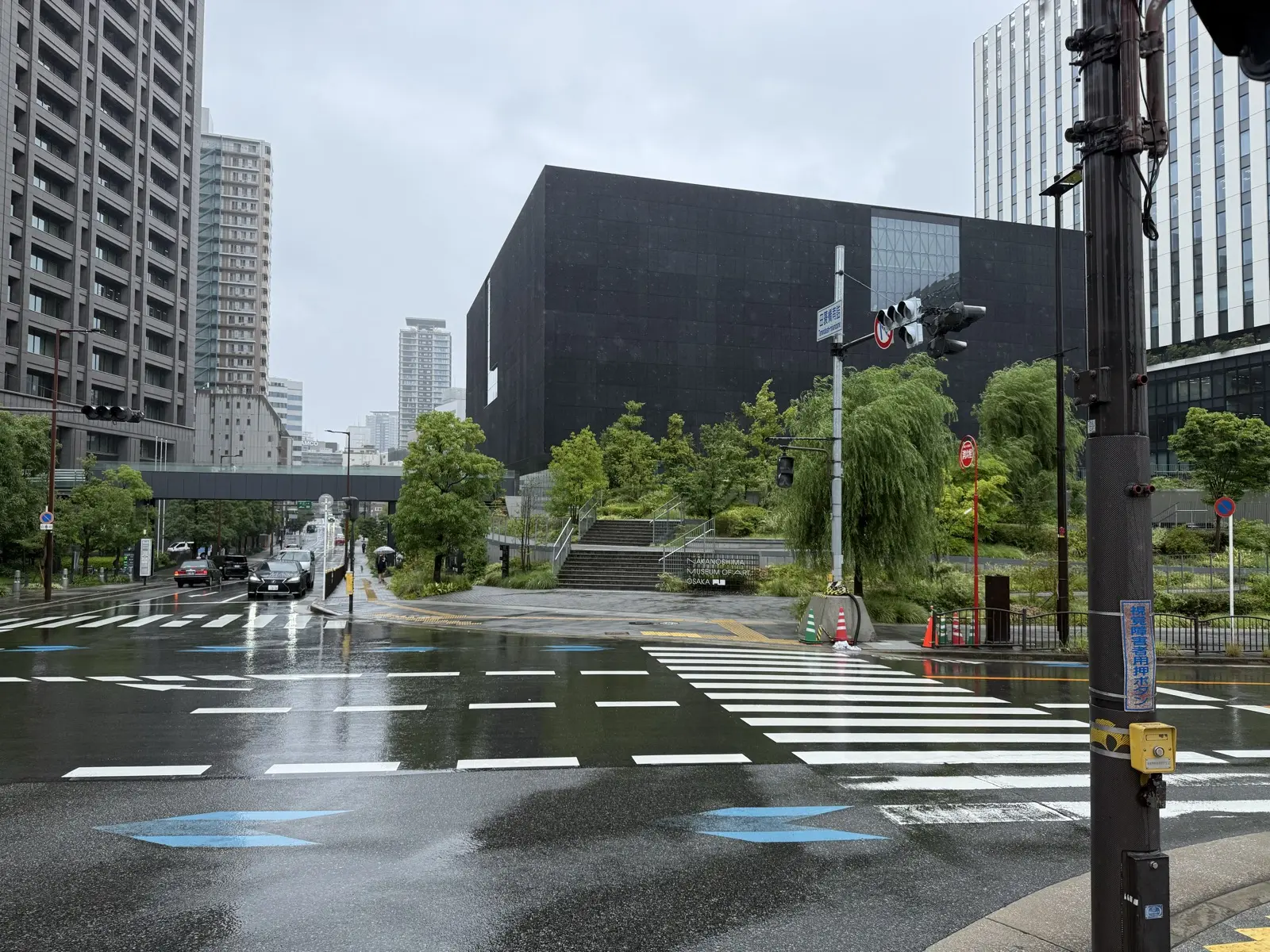
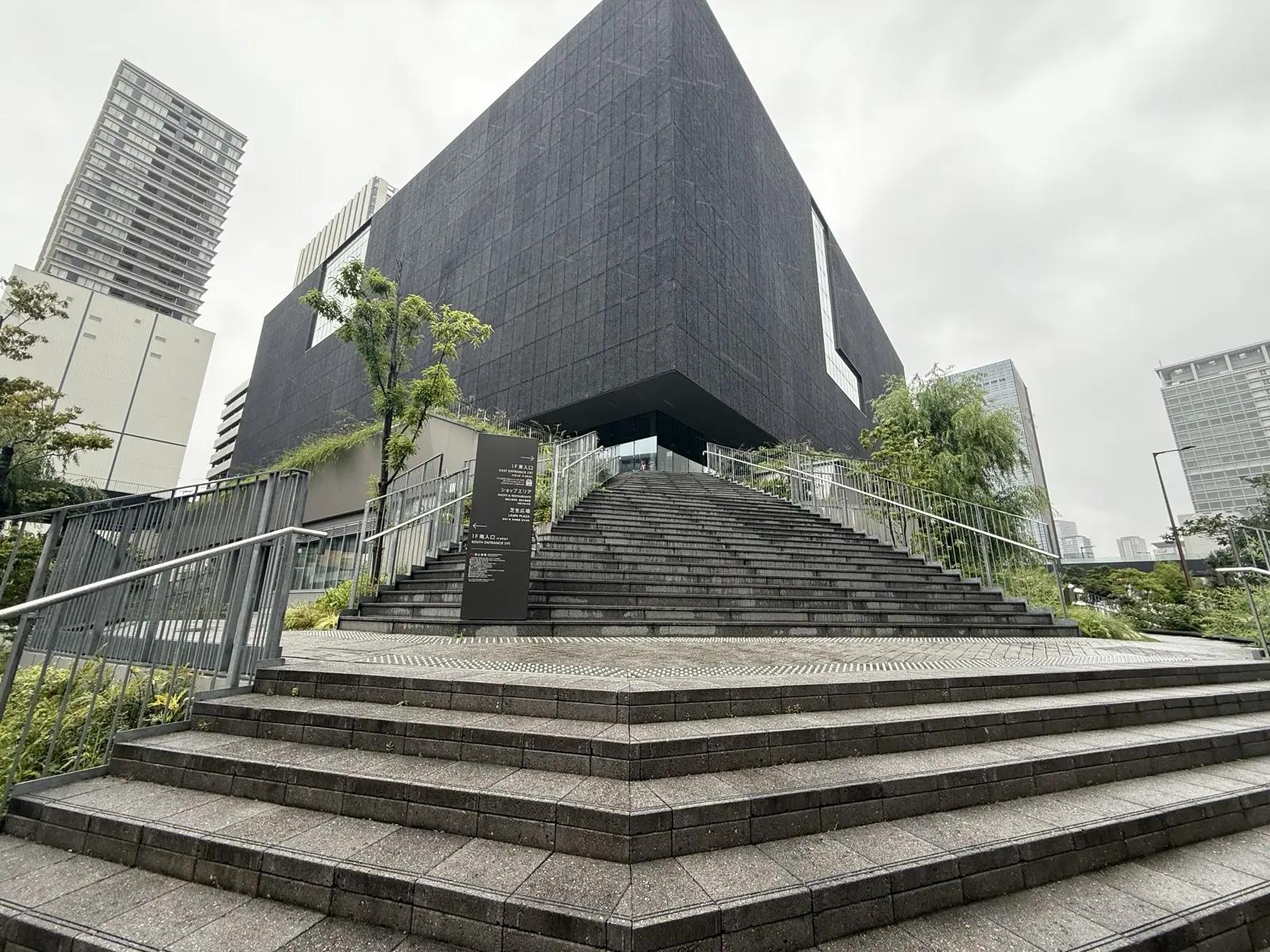
There are three museums clustered together on Nakanoshima and people constantly walk into the wrong one. The Nakanoshima Museum of Art is the solid black cube — if you're standing in front of a black building, you're in the right place.
Modern & contemporary art and design (this guide). The big black cube.
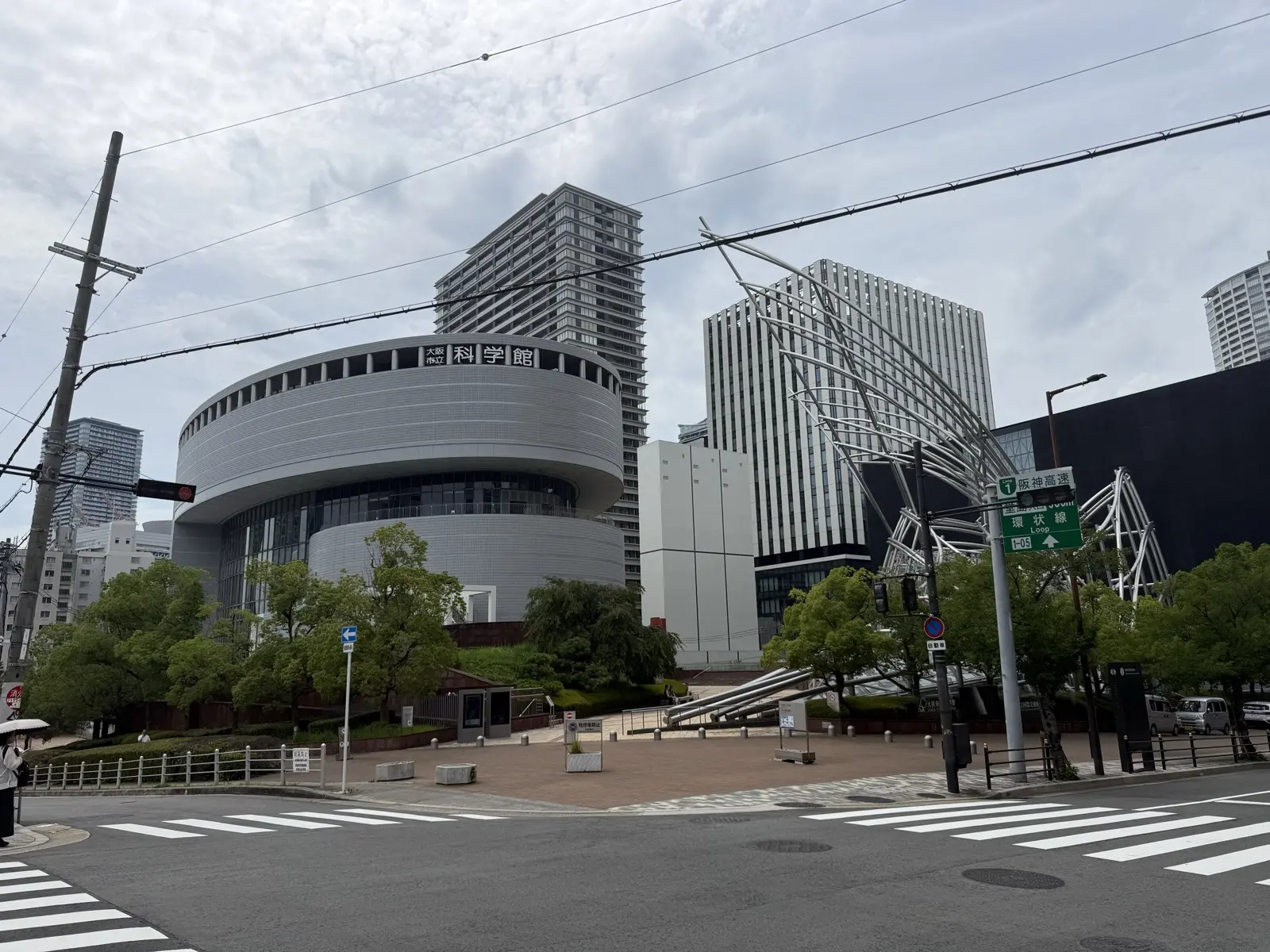
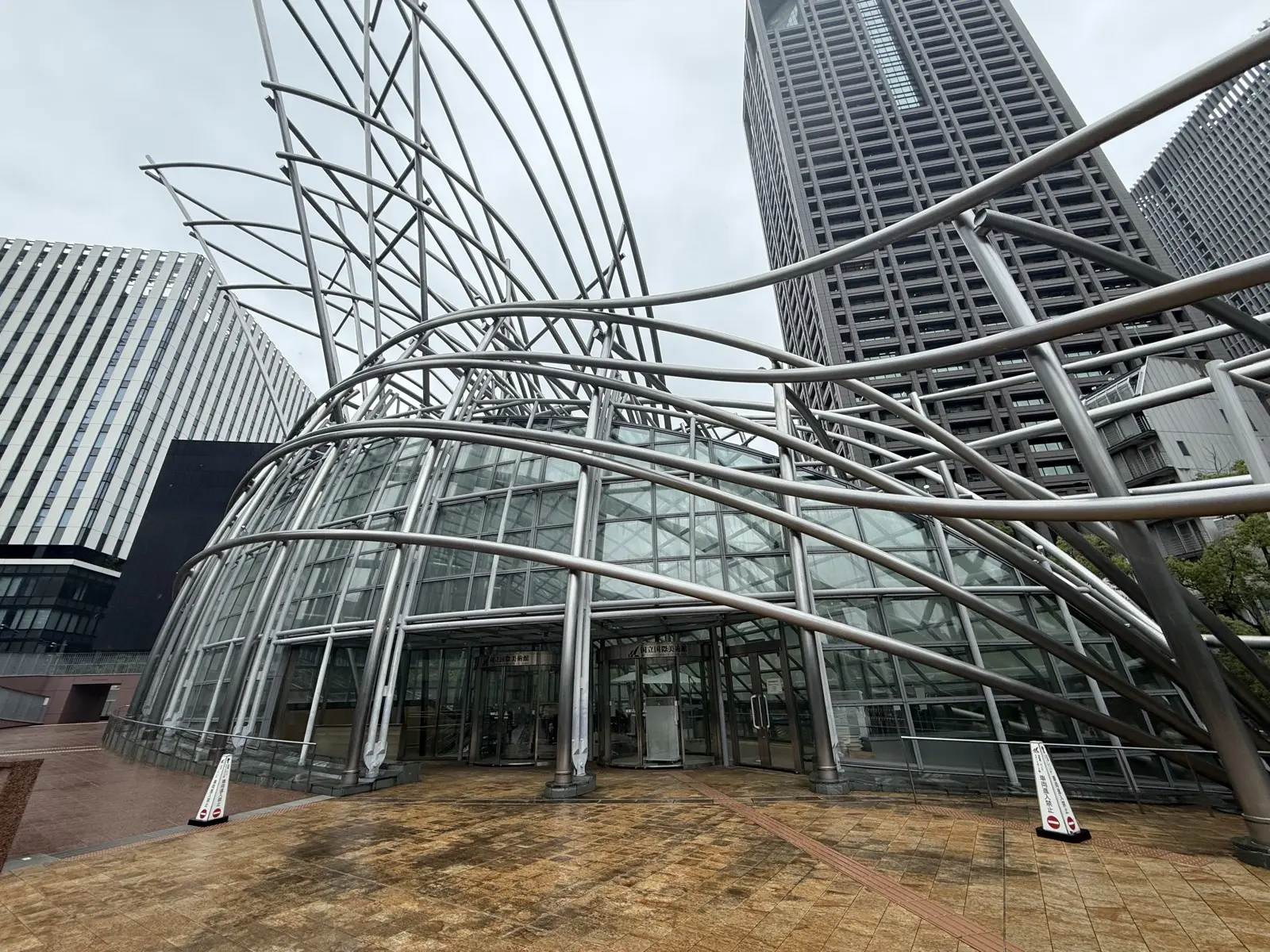
Mostly underground, marked by a dramatic silver bamboo-like sculpture at street level. Different museum, right next door.
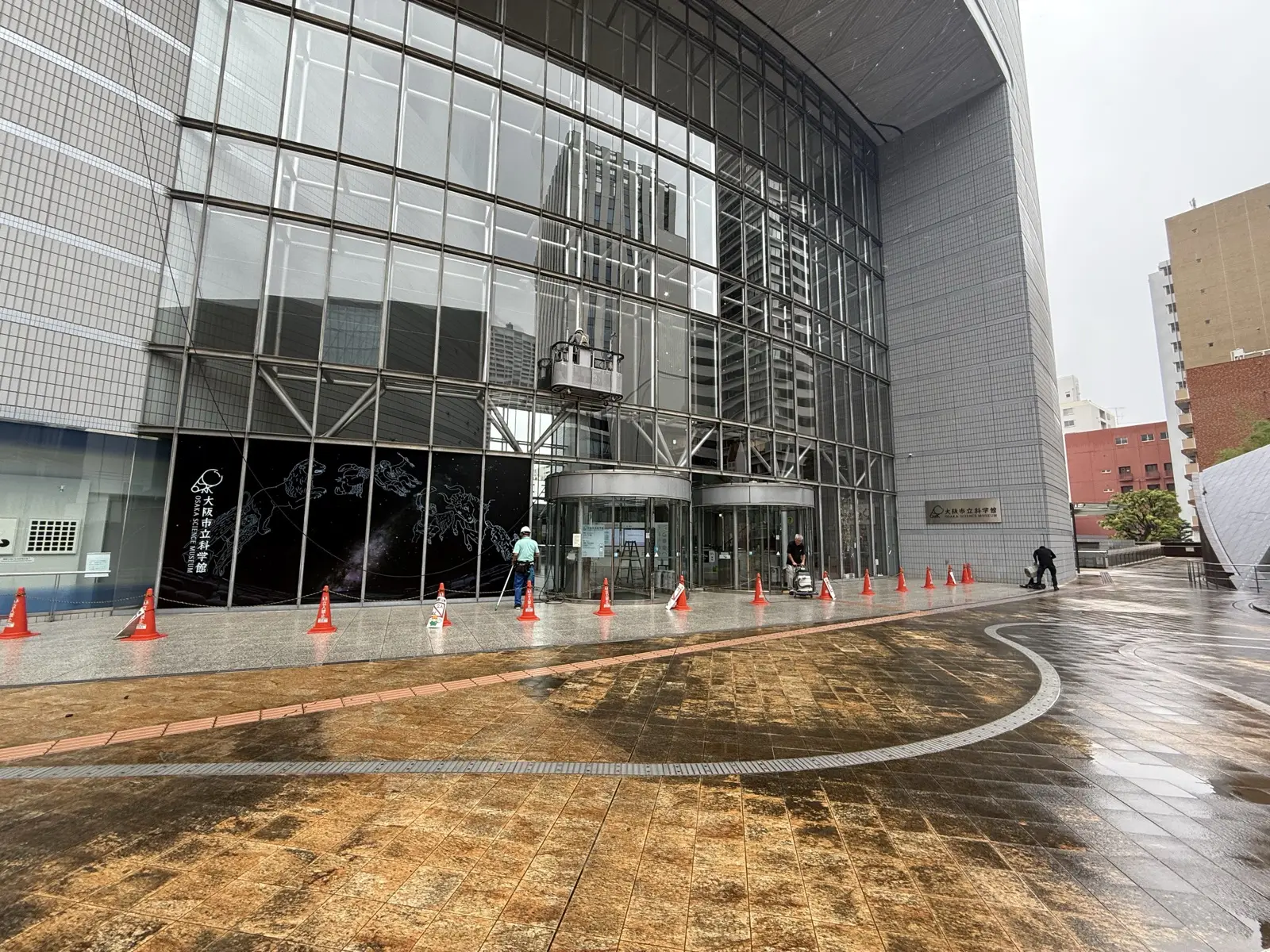
Hands-on science and a planetarium — great for kids, nothing to do with the art museums. Also right there.
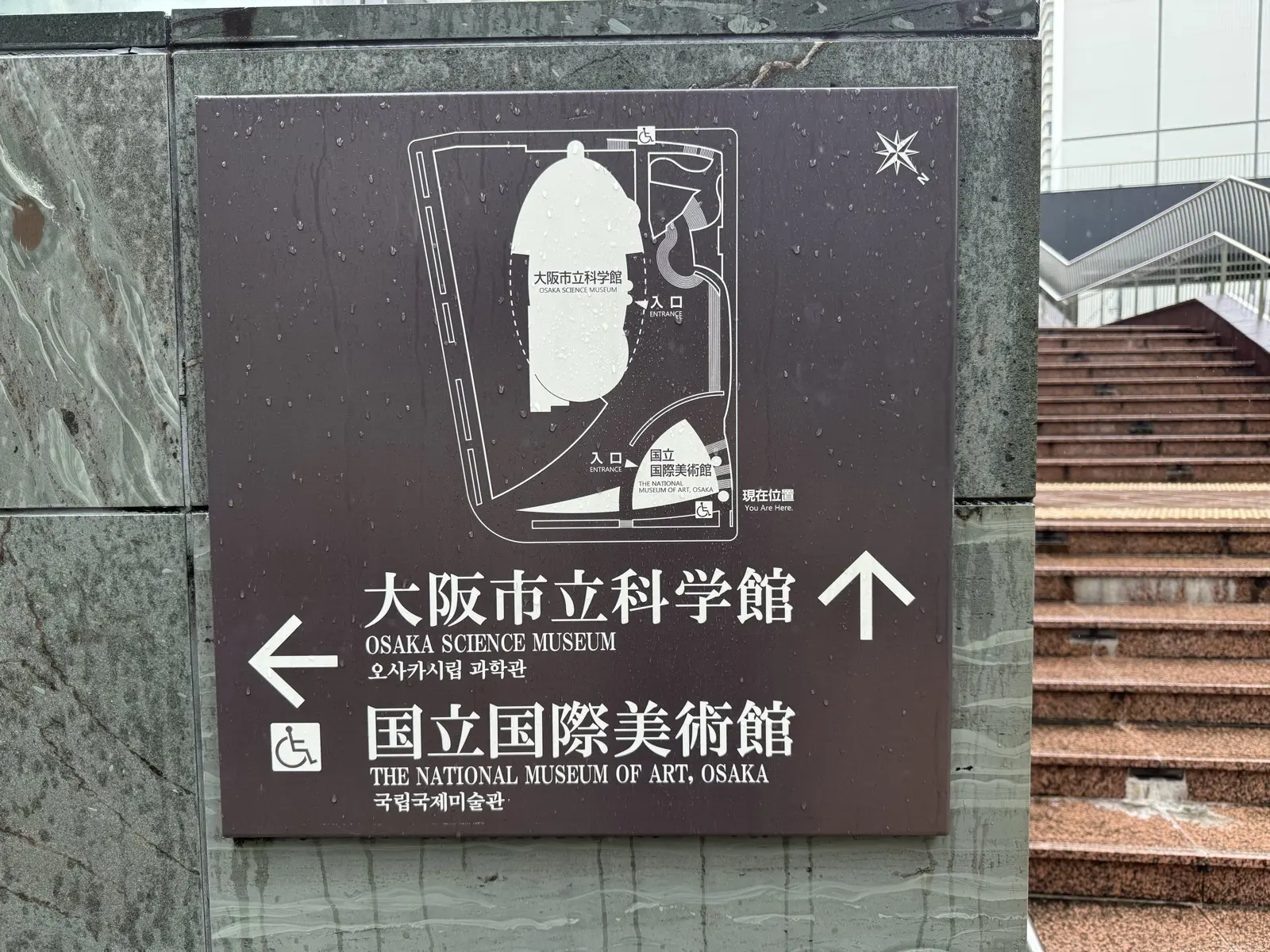
All three sit within a couple of minutes of each other, so double-check the name and the black exterior before you queue.
The quickest way to tell them apart on the ground: the flashy building with the silver reed-like sculpture is the National Museum of Art — and for that one you head downstairs, because it's mostly underground. The plain black cube is this museum, and the rounded building is the Science Museum. When in doubt, the site signage points the way.
This is the part most guides skip. The Nakanoshima Museum is exhibition-led — there's no permanent "greatest hits" hall you can count on, so what you actually see depends entirely on when you turn up. Before you buy anything, check the current programme and make sure the show appeals to you.
Here's the line-up straight from the museum (dates as of July 2026 — shows shift, so always confirm on the official site):
Even between the big touring shows, the collection itself is no afterthought. The museum owns Modigliani's Reclining Nude with Loose Hair (1917) — famously bought by the city in 1989 for ¥1.93 billion — and the largest holding anywhere of the Osaka-born modern painter Yuzo Saeki (around 60 works), alongside a deep collection of 20th-century Japanese design and posters. Because the museum is exhibition-led these aren't always on the walls, but they surface in the periodic collection shows — one more reason to check what's up before you go.
This trips people up: there's no single "museum admission." The Nakanoshima Museum runs separate ticketed exhibitions, and you buy a ticket for the specific show you want (the ticket counter is on the 2nd floor; exhibitions are on the upper floors). If two exhibitions are on at once, they're usually priced and ticketed separately — so check what's showing and buy the right one.
The good news: the ground-floor lobby, the passages, the design shop (HAY) and the café are free to wander even without an exhibition ticket. And the museum's outdoor sculpture on the second-floor terrace — a much-loved Osaka photo spot — is a free, fun stop even if you don't go into a show.
A local tip most guides skip: the entrance is up on the 2nd floor. You climb a wide staircase (there are escalators/lifts too) to reach it, and the ticket counter is up there — so don't hunt for a door at street level. And the free outdoor sculpture worth finding is Kenji Yanobe's SHIP'S CAT — a cat in an astronaut suit that's become the museum's mascot and an easy photo.
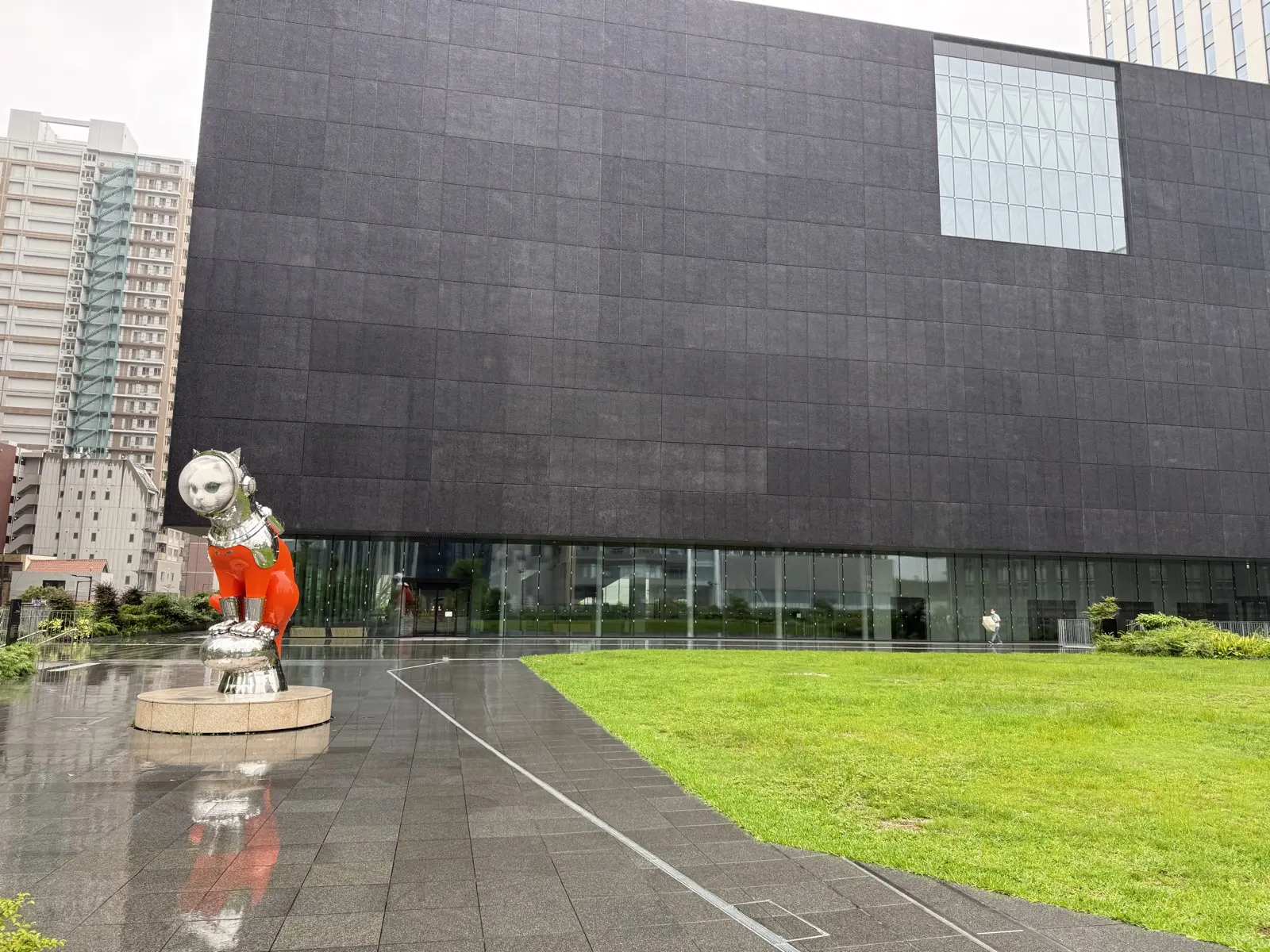
If you like modern art and design, yes — it's a beautifully designed building with strong exhibitions, and it pairs well with a walk along the Nakanoshima riverside or a visit to nearby Osaka Castle. If you're not into art, the free lobby, shop and terrace sculpture are still a pleasant 15-minute detour, but it's not worth buying an exhibition ticket just to tick it off. It's an exhibition-led museum, so the honest answer is: it's worth it if the current show appeals to you — check the programme first.
The museum sits at 4-3-1 Nakanoshima, on the western end of the island — further from Osaka Station / Umeda than most expect (a 15–20 minute walk). Use one of the closer stations:
| Station | Line | Exit | Walk |
|---|---|---|---|
| Watanabebashi | Keihan Nakanoshima Line | Exit 2 | ~5 min (closest) |
| Higobashi | Osaka Metro Yotsubashi Line | Exit 4 | ~10 min |
| Fukushima | JR Osaka Loop Line | Exit 2 | ~10 min |
| Yodoyabashi | Keihan / Metro Midōsuji | Exit 7 | ~15 min |
Most people from the Umeda side ride the Yotsubashi subway one stop to Higobashi and walk over the bridge. By bus, No. 53 or 75 from JR Osaka Station to the Taminobashi stop, then ~2 minutes south.
Prefer turn-by-turn? Open the walking route in Google Maps from Higobashi Station or from Watanabebashi Station.
The Nakanoshima river island sits between Umeda and the downtown Kitahama / Yodoyabashi area — calm, central and easy to walk from. The Welina Hotel Premier Nakanoshima East is a popular pick with overseas visitors here.
Check the Welina Nakanoshima on Klook →Some older travel pages claim there is no parking. That is outdated. The building has an underground car park with 72 spaces (2 accessible), plus 130 free bicycle spaces and 7 moped spaces. Tour buses (1 space) and motorcycles (3 spaces) require advance reservation. That said, driving in central Osaka is a hassle and Nakanoshima traffic is dense, so most visitors are better off with the train. Cyclists, on the other hand, get a genuinely convenient free option here — rare in central Osaka.
A useful thing to know: the museum's restaurant and shops sit in the free-access public zones, so you can eat and browse even if you never buy an exhibition ticket. This makes NAKKA a reasonable meet-up or coffee stop, not just a paid attraction.
Because these hours can shift during exhibition changeovers, it is worth confirming on the day if a specific shop is your reason for coming.
NAKKA is one of the more family- and access-friendly big museums in Osaka. Free-loan wheelchairs and strollers are available at the ticket counter (limited stock, first-come). Middle-school-age children and younger generally enter exhibitions free, so a family can turn up and only pay for the adults — but always carry ID that shows a student's age or status, as staff do ask.
Coin lockers on the 1st and 2nd floors take a refundable ¥100 coin, and anything too large for a locker can be left at the ticket counter during opening hours. One thing to plan around: there is no re-entry once you leave a gallery. With a restless child, do the gallery in one pass rather than expecting to step out and return.
Photo policy is set per exhibition, so whether you can shoot the art depends on the show — check the signage at each gallery entrance rather than assuming. Even where photos are allowed, the fixed rules are: no flash, and no tripods, monopods, gimbals or selfie sticks. The outdoor SHIP'S CAT (Muse) sculpture by Kenji Yanobe — a large cat in an astronaut-style suit, installed 2021 — sits in the plaza and is free to photograph any time.
The mistakes visitors most often make here:
Is there a single general admission price? No. Unlike most museums, NAKKA sets admission separately for each exhibition, so the price you pay depends entirely on which show is on. Check the current exhibition page before you go.
Does one ticket cover everything? A special-exhibition ticket typically also admits you to the collection exhibition, but this can vary by show — read the specific ticket terms.
Can I get in free? Middle-school students and younger generally enter free, as do visitors with a disability certificate plus one carer. Bring proof.
Is it worth it if I'm not into art? The building, the free public passages, the SHIP'S CAT sculpture and the cafe/shops are all accessible without a ticket, so it works as a short free stop even for non-art travellers. Buy the exhibition ticket only if a specific show appeals to you.
How long should I budget? Most visitors spend 60–90 minutes on one exhibition; add 30–45 minutes if you also want the collection show, cafe or shops.
There's no fixed admission — you buy a ticket for the specific exhibition on show, and prices vary by exhibition. The lobby, shop and café are free to enter without a ticket. Check the current exhibition for its price.
10:00–17:00, closed on Mondays (last entry is usually 30 minutes before closing). Check for special closures between exhibitions.
The Nakanoshima Museum of Art is the black cube (modern/contemporary art). The National Museum of Art is a separate, mostly-underground museum next door, and the Osaka Science Museum is a science/planetarium museum — three different places clustered together.
A 10–15 minute walk south to Nakanoshima, or a short bus. The nearest stations are Watanabebashi (Keihan) and Higobashi (Osaka Metro Yotsubashi Line).
Yes — the ground-floor lobby, passages, the HAY design shop, the café, and the outdoor sculpture on the second-floor terrace are all free even without an exhibition ticket.